Medecins sans Frontieres

This week I attended a briefing from Medecins sans Frontieres (Doctors without Borders) on their work around the world and came away humbled.

Medecins sans Frontieres (MSF) is an independent, international medical humanitarian organisation that provides emergency aid to people affected by armed conflict, epidemics, natural disasters and exclusion from healthcare.  

It’s not just doctors, with many other medical and operational staff working for the organisation, all of whom account for over 50,000 full time staff in 37 countries.

Of the 120 Australians currently working in the field for MSF, two addressed the briefing. One is a community psychologist who has just returned from a year in Bangladesh at the world’s biggest refugee camp Cox’s Bazaar, and the other a project director who has worked in many crisis situations such as Afghanistan and South Sudan organising sanitation, roads and facilities for the medical staff.  

The information they covered in the briefing provided a window into the scale and reach of their work and the difference they make in so many people’s lives. In South Sudan alone MSF operate one of the largest assistance programs worldwide and ran 12 regular and five emergency projects delivering a range of services. MSF teams responded to numerous disease outbreaks including measles, yellow fever, Hepatitis E and Cholera. There were numerous surges in malaria cases and an unusually high number of admissions of children suffering malnutrition.

In one example, Dr Ahmed Mahmoud Al Salem observed the dramatic deterioration of the mental health of Palestinians after 7 October 2023.  “This is not a normal trauma; this is a huge tormenting catastrophe,” he said. 

My husband and I have been donors to MSF for over ten years. If you’re thinking of supporting a charity, I urge you put MSF top of your list

“They threw us out like garbage”

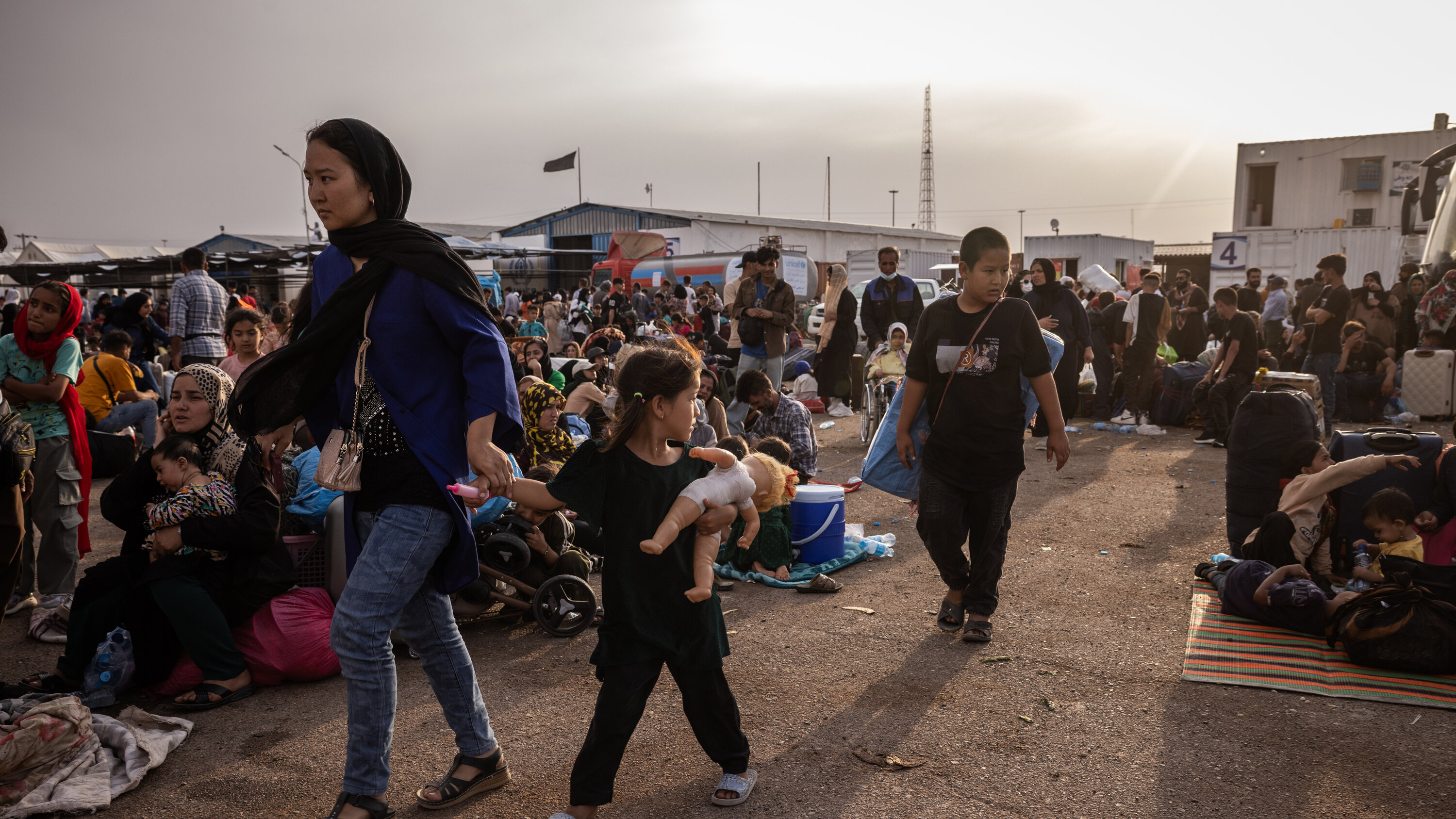
The wave of Afghan refugees and migrants being sent back from Iran to Afghanistan has intensified, with more than 410,000 being pushed out since the end of the Twelve Day War on 24 June 2025.

More than 1.5 million Afghan refugees and migrants have been sent back this year, according to the United Nations’ International Organization for Migration. The Red Cross says more than one million people more could be sent back by the end of 2025.

Iran has been hosting Afghans for decades. While it has periodically expelled irregular arrivals, it has now taken its efforts to unprecedented levels, accusing Afghans of being Israeli spies or taking advantage of their situation in Iran.

The Guardian reports a comment from an Afghan who said “They threw us out like garbage” as Iran rushes deportation of 4 million Afghans before their deadline.

This situation is even more dire for women, especially lone women. Thousands are being forced to return to face extreme repression and destitution under Taliban laws that forbid them to work or travel without a male guardian. No girls above grade six can go to school anymore. They are banned from showing their faces or speaking in public. Anyone caught breaking these laws is subject to public flogging.  

Sahar is travelling with five children and spoke to the Guardian and Zan Times at the border. She says she has no idea where she will live now. A widow, Sahar has been living in Iran for ten years running a small tailoring workshop and had just put down a deposit on a small house. Last week she was detained, taken with her children from a refugee camp and deported. “I didn’t even get to pack our clothes. They came in the middle of the night.” She is now stuck at the border in stifling heat because she has no male chaperone.  

Despite the fact it’s illegal and unsafe for Iran to deport people to a country where they will likely be persecuted, these deportations continue.

Zan Times is a women-led, investigative newsroom that covers human rights violations in Afghanistan with a focus on women and the LGBTQI+ community. They are a group of mainly women journalists working both inside and outside Afghanistan to tell their own stories, raising their voices to shape and inform public discourse. I highly recommend this website, which is my new resource for what is happening to Afghan Women.

Disease knows no borders

Polio has re-emerged in Gaza after 25 years. In Yemen there has been a dramatic surge in measles.  

Conflicts, collapsed health systems, interrupted supply chains and a range of other factors including COVID, have resulted in low routine vaccine coverage around the world and an increased spread of infectious diseases. Children are especially affected.

Untreated measles can lead to serious complications like pneumonia, blindness and brain damage. According to Médecins Sans Frontieres (MSF) more than 100,000 children globally, mostly under the age of five, died from measles in 2023. They also report that since 2022, Nigeria has been at the centre of a diphtheria outbreak brought about by low vaccine rates.

Most of us are lucky.  We live in parts of the world that are safe and healthy with high vaccination rates. I can only imagine what it is like to live in a conflict zone requiring help all the time with food, water, health, and infrastructure.

News that the US government is defunding the World Health Organisation (WHO), and other essential United Nations agencies has brought even more uncertainty for people who rely on humanitarian assistance. The US has also suspended nearly all foreign aid programs.  

The World Health Organisation has led eradication efforts for some of the world’s cruellest diseases including polio and smallpox and aims to eliminate a further 20 diseases by 2030. 

But what will happen now without significant funding to WHO and the many partner organisations?  

Katrina Penney, President of MSF Australia says “we are most concerned about people who rely on essential services for survival. The World Health Organisation is a key partner in the international humanitarian system.” 

The consequences for the world’s most vulnerable people are dire. It’s important we support the work of MSF, Red Cross, Oxfam and other agencies working in this age of uncertainty. 

Disease knows no borders. The world knows this from our experience of the COVID pandemic. It’s time to step up.

Young girl getting vaccination from a health care professional

Trump is coming for UNICEF

For decades, UNICEF has been a symbol of international cooperation. Now, it’s the target of an unprecedented effort by the U.S. government to undermine it. 

UNICEF grew out of post-war efforts to feed and shelter hundreds of thousands of children whose lives were upended by the Second World War. It soon evolved into a global organisation dedicated to improving the health and welfare of children across the world.

By mid-century, founding leader Maurice Pate and UNICEF were able to channel international solidarity to improve the lives of the world’s most vulnerable children. For example, Pate devised a partnership with Mexico to drive down malaria, which was killing 20,000 Mexican children annually. Within four years, malaria was all but eradicated in the country, putting Mexico’s malaria levels on par with the United States.

But now, the Trump administration is taking direct aim at UNICEF, positioning one of the world’s most trusted child welfare organisations as its latest target. 

This attack has potentially devastating consequences for millions of children worldwide. 

Last week, UNICEF (along with a few other United Nations agencies) received a bizarre questionnaire from the United States that demanded “yes” or “no” answers to some 23 questions. These questions are absurd, and clearly crafted in such a way as to force answers that would justify an American withdrawal from UNICEF as its longtime financial and political backer.

For example, one question asks the agency to affirm that it “does not work with entities associated with communist, socialist, or totalitarian parties, or any party that espouses anti-American beliefs.”

Of course UNICEF does — because it’s an agency of the United Nations! To be sure, the vast majority of UN member states don’t fall into any of these categories. But the UN is a member-based institution composed of 193 countries. Some of these countries are run by communist parties, like China and Cuba. Several can credibly be called totalitarian, like North Korea and Eritrea. Some are run by avowedly socialist parties, like certain countries in Northern Europe, and a few are expressly anti-American, like Iran. 

The UN is not a club of like-minded governments — that’s what groups like NATO or the Organisation of Islamic Cooperation are for. Rather, the whole point of the UN is to serve as the one entity that can bring every country together to find opportunities for cooperation, transcending wide differences. 

Every day UNICEF provides a platform where countries can find ways to support the world’s most vulnerable children, despite their vast political and cultural divides.

Worrying times ahead.

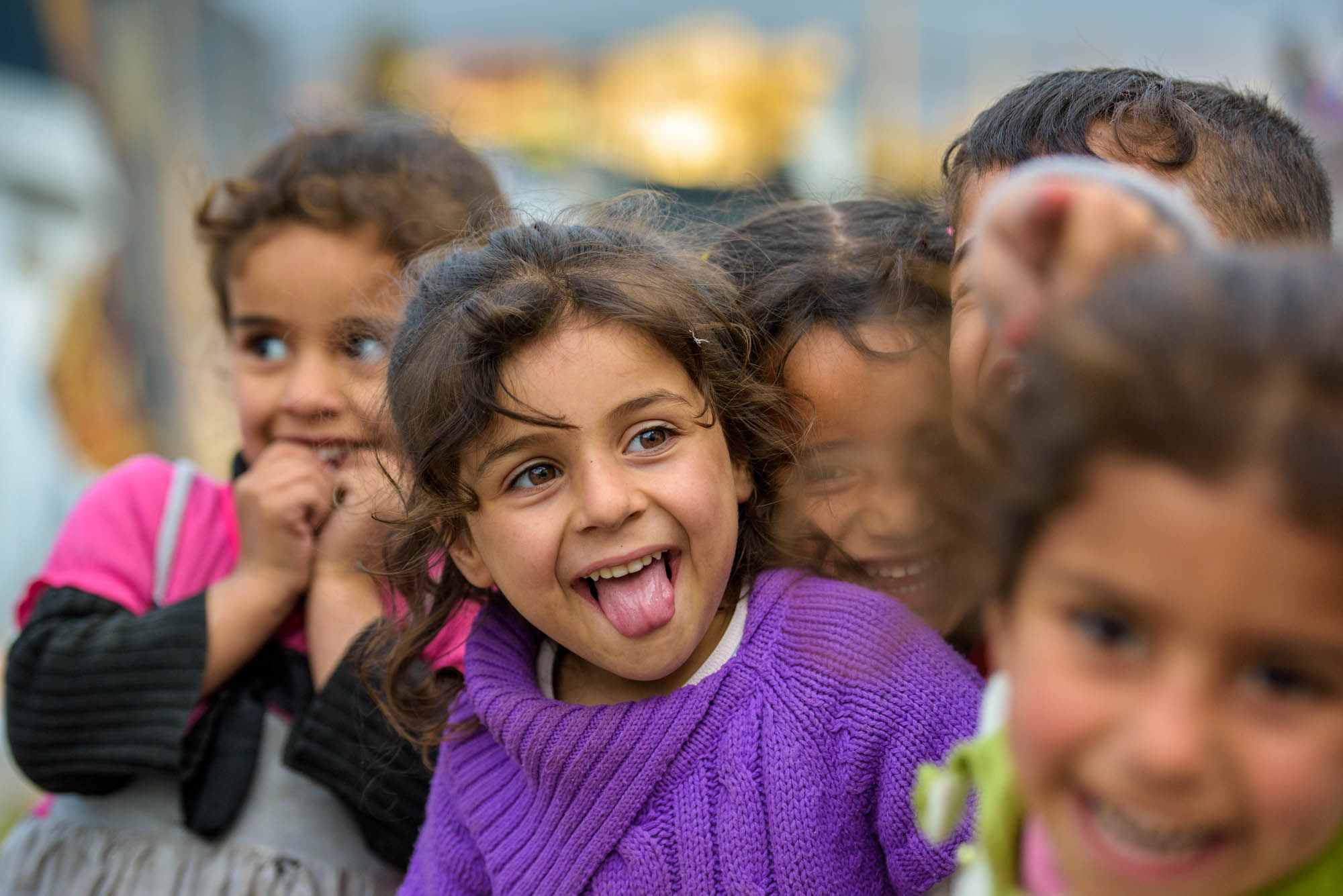
yrian refugee girl, Rahaff, 5, wearing purple sweater, is happy to be in a safe place. In an informal tented settlement in Bakaa, Lebanon.
©2016 World Vision/photo by Jon Warren

The Missing Children of Europe

An international investigation has found that tens of thousands of unaccompanied child migrants – 47 each day on average – have vanished after arriving in Europe over the past three years. 

While doing other research, I came across three organisations who specialise in tracking lost migrant and refugee children and was appalled and taken aback by my ignorance. 

Research by the journalist collective Lost in Europe revealed that at least 51,433 unaccompanied refugee children and young people who were previously in the care of the state went missing across Europe between 2021 and 2023.

According to the data collected in the latest investigation, Italy has more registered missing unaccompanied minors than any other country that provided data, with 22,899, followed by Austria (20,077), Belgium (2,241), Germany (2,005) and Switzerland (1,226).

The actual number of missing children may be even higher as gathering complete information is difficult, with some countries in Europe not even collecting data on missing unaccompanied minors according to a statement by the Lost in Europe project.

Ylva Johansson, the EU Commissioner for Home Affairs responsible for migration, in an interview with the German news portal rbb24 – a member of the Lost in Europe network – linked the problem to Europe’s “broken migration system”.

Child protection organisations like Missing Children Europe have confirmed that unaccompanied child migrants and refugees are at higher risk of abuse and are easily influenced by traffickers.

Many who arrive in Europe have already been exploited by smugglers to pay off debts or because they hold control over their loved ones or their passports.

A 2022 study by researchers at Ghent University – The Childmove Project – found that more than 80 percent of children experience physical violence during their migration to Europe. 

We should all care about this. How can we stay silent? 

Count Her In

Today is International Women’s Day with the theme Count Her In: Invest in Women. Accelerate Progress. Within the wide array of announcements, events and launches that are happening all around the world, two have stood out for me as highly significant and very meaningful. 

The first is that Ireland is holding a national referendum on the day to remove from their constitution the outdated idea that a ‘woman’s place is in the home’.

The constitution’s clause, which dates to 1937, says: “The State recognises that by her life within the home, woman gives to the State a support without which the common good cannot be achieved. The State shall, therefore, endeavour to ensure that mothers shall not be obliged by economic necessity to engage in labour to the neglect of their duties in the home.”

Proponents argue that the constitution does not truly reflect the Ireland and world we live in today and needs to be modernised. Let’s hope that is a no brainer for voters.

The second is that France, the first country to enshrine the right to abortion in its constitution, today will be holding a ‘sealing ceremony’ – a tradition reserved for only the most significant laws. Crowds gathered at the Eiffel Tower in Paris on Monday as the words “my body, my choice” were shown up in lights on the monument. People celebrated as French lawmakers gathered to vote on the ammendment giving women the ‘guaranteed freedom’ to choose an abortion. It is a big step forward for reproductive rights in Europe.

Closer to home the Workplace Gender Equality Agency released the latest information on gender pay gaps which has once again highlighted the disparity in pay between men and women in Australia. Gender pay gaps are not a direct comparison of like roles. Instead, they show the difference between the average or median pay of women and men across organisations, industries, and the workforce as a whole.

Across all industries in Australia, women are earning on average less than men. Currently at 21.7%, the gender pay gap in Australia is a persistent and pervasive issue that undermines women’s earnings and our place in society.

For us to truly ‘Count Her In: Invest in Women. Accelerate Progress.’, then closing the gender pay gap would be a good start.

The State of the World’s Human Rights

Two important reports have recently been released that paint a sobering picture of human rights across the globe. 

Amnesty International’s Annual Report highlights the double standards throughout the world on human rights and the failure of the international community to unite around consistently applied human rights and universal values. 

The West’s robust response to Russia’s aggression against Ukraine contrasts sharply with a deplorable lack of meaningful action on grave violations by some of their allies including Israel, Saudi Arabia, and Egypt.

We need less hypocrisy, less cynicism, and more consistent, principled and ambitious action by all states to promote and protect all rights” said Agnès Callamard, Secretary General of Amnesty International.

The report also talks about the significant deterioration of women and girls’ rights across the world – rights to life, health, security, education, autonomy and sexuality. Women’s rights and freedom to protest are threatened as states fail to protect and respect rights at home. Callamard makes the point that “states’ hunger to control the bodies of women and girls, their sexuality and their lives leaves a terrible legacy of violence, oppression and stunted potential.”

As the Universal Declaration of Human Rights turns 75, Amnesty International insists that a rules-based international system must be founded on human rights and applied to everyone, everywhere.

The UNHCR mid 2022 global trends report provides statistics and trends relating to refugees, asylum-seekers, internally displaced people and stateless people. This report tells us that 103 million people have been forcibly displaced by persecution, conflict, violence, human rights violations and events that seriously disturbed public order – an increase on last year. 

There are 32.5 million refugees worldwide, with Turkey continuing to host the greatest number of refugees with 3.7 million. Interestingly, 76% of people originated from just six countries: Syria, Venezuela, Ukraine, Afghanistan, South Sudan, and Burma.

This year the Australian government is planning to issue 17,875 refugee and humanitarian visas. We could do a lot more, don’t you think? We are rich country with plenty of space and we are crying out for workers in the city and the regions.

One Year Since Afghanistan Fell

 “Victory and Freedom!” 

This chant rang out from central Kabul this week as hundreds of Taliban fighters and commanders gathered to mark a year since the group swept into Kabul ending a long, brutal war and upending the lives of millions. 

As expected, the return of this oppressive regime has in fact resulted in loss of freedoms for Afghan people, especially women.  Over the last year the Taliban have implemented the following policies:

  • Blocked Afghan girls from getting an education
  • Fired 125,000 women from government jobs
  • Revoked women’s right to drive
  • Fired 80 per cent of female journalists
  • Controlled what women wear and where they can travel
  • Changed the Ministry of Women’s Affairs to the Ministry of Vice and Virtue

You can find out more in this thoughtful article in Women’s Agenda

I have just finished reading August in Kabul by Australian photo journalist Andrew Quilty. One of the last foreign journalists left in Kabul as Afghanistan fell, Quilty shows through personal stories how naïve the Allied Forces, led by the Americans, were in believing they could negotiate towards a peaceful power-sharing.

It must be said that the Taliban’s military victory would never have come without the ineptitude and malfeasance of successive administrations in Kabul and their armed forces, and the hubris of the American-led international military coalition,” writes Quilty.

Another foreign affairs expert, David Kilcullen, has co-authored a book with Greg Mills The Ledger: Accounting for failure in Afghanistan which delves into 20 years of mistakes and missteps by the West in Afghanistan. “After confidently assuring everybody that the Taliban were not likely to come anywhere near Kabul within a year, we saw the collapse of 16 out of the 34 provinces in about two days, and all of the rest bar one in another week.” You can listen to a terrific interview with Kilcullen here

Neither of these books are easy reads and they made me angry on so many levels: what a waste of twenty years of peacebuilding in the country; fear for women under Taliban rule again; and how incompetent the evacuation was for Afghan people who had collaborated with the allies. I am grateful that family of my friends Farid and Fauzia were able to get out and start a new life here in Western Australia.

REUTERS/Adnan Abidi

Reflections on Refugee Week

We have just finished Refugee Week which was celebrated with major events around the world. The week aims to promote harmony and togetherness with the theme this year of Healing. The importance of human connections has been underscored by the pandemic and the lessons from this can help our community in so many ways. 

We can draw upon shared hardship to heal wounds, to learn from each other and to move forward. Healing can occur through storytelling, through community and through realisation of our intrinsic interconnectedness as individuals. The common theme is a reminder that, regardless of our differences, we all share a common humanity.

I spent some time during the week reflecting on the change of government in Australia and hoping conditions can be re-set for so many people who came as asylum seekers to Australia and whose lives currently remain in limbo.

One of the organisations of which I am a director is CARAD – the Centre for Asylum Seekers, Refugees and Detainees. Along with the Centre for Human Rights Education at Curtin University where I partly studied my doctorate, CARAD is extremely active in advocacy for those people with lived asylum seeker and refugee experience including those on temporary protection visas. Our new Prime Minister Anthony Albanese said before the election that his government would oppose temporary protection visas. Right now in Australia more than 15,000 people of various nationalities are on temporary protection visas.

We need to keep them to their word.

I am in Europe at the moment and am watching with horror as the United Kingdom introduces its “Rwanda policy.” This policy will mean people who come seeking asylum by boat across the English Channel will be sent to Rwanda for processing. The UK Prime Minister has said they modelled this approach on Australia’s offshore processing – how horrible! These asylum seekers have little chance of a getting any sort of visa.

People are being punished all around the world for fleeing persecution and seeking asylum. The United Nations High Commissioner for Refugees strictly states that it is not illegal to seek asylum. 

Where has our humanity gone?

Celebrating a Centenary

PEN was one of the world’s first non-governmental organisations and amongst the first international bodies advocating for human rights. It was the first worldwide association of writers, and the first organisation to point out that freedom of expression and literature are inseparable – a principle PEN continues to champion today.  

PEN International began in London in 1921, a hundred years ago. Within four years there were 25 PEN Centres in Europe, and by 1931 there were several Centres in South America as well as China.

As the world grew darker just before the outbreak of war in 1939, PEN member Centres included Argentina, Australia, Bolivia, Brazil, Canada, Chile, Colombia, Egypt, India, Iraq, Japan, Mexico, New Zealand, Palestine, Uruguay, the US and others. All the Scandinavian countries were included as well as several countries in Eastern Europe. Basque, Catalan and Yiddish Centres were represented, too.

Today with 155 centres in more than 100 countries, PEN acts to preserve endangered languages, support translation, protect the freedom to write, and expand the space for writers worldwide in the belief that literature can build communities.

Words without Borders, a wonderful organisation, is celebrating the PEN Centenary with some excellent new fiction. Written by Words Without Borders contributors who have ties to PEN centres in three countries, the stories from Nazlı Karabıyıkoğlu (Turkey), Kettly Mars (Haiti), and Mohamed Magani (Algeria), with translations by Ralph Hubbell, Nathan H. Dize and Edward Gauvin, make some great reading! You can find the stories on the Words without Borders Website

Check out your local PEN chapter around the world and get involved. Click here for the Perth Chapter