“They threw us out like garbage”

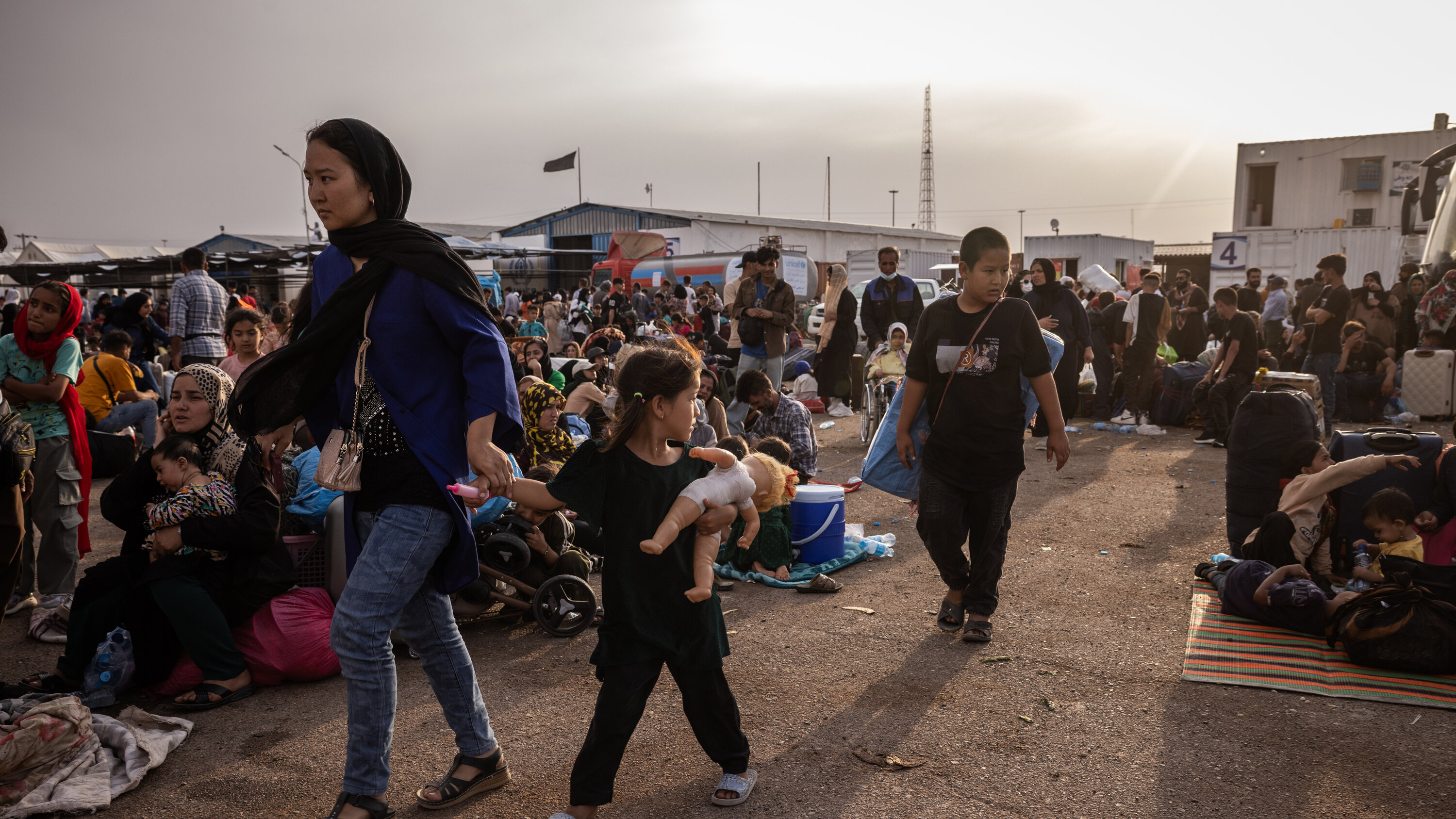
The wave of Afghan refugees and migrants being sent back from Iran to Afghanistan has intensified, with more than 410,000 being pushed out since the end of the Twelve Day War on 24 June 2025.

More than 1.5 million Afghan refugees and migrants have been sent back this year, according to the United Nations’ International Organization for Migration. The Red Cross says more than one million people more could be sent back by the end of 2025.

Iran has been hosting Afghans for decades. While it has periodically expelled irregular arrivals, it has now taken its efforts to unprecedented levels, accusing Afghans of being Israeli spies or taking advantage of their situation in Iran.

The Guardian reports a comment from an Afghan who said “They threw us out like garbage” as Iran rushes deportation of 4 million Afghans before their deadline.

This situation is even more dire for women, especially lone women. Thousands are being forced to return to face extreme repression and destitution under Taliban laws that forbid them to work or travel without a male guardian. No girls above grade six can go to school anymore. They are banned from showing their faces or speaking in public. Anyone caught breaking these laws is subject to public flogging.  

Sahar is travelling with five children and spoke to the Guardian and Zan Times at the border. She says she has no idea where she will live now. A widow, Sahar has been living in Iran for ten years running a small tailoring workshop and had just put down a deposit on a small house. Last week she was detained, taken with her children from a refugee camp and deported. “I didn’t even get to pack our clothes. They came in the middle of the night.” She is now stuck at the border in stifling heat because she has no male chaperone.  

Despite the fact it’s illegal and unsafe for Iran to deport people to a country where they will likely be persecuted, these deportations continue.

Zan Times is a women-led, investigative newsroom that covers human rights violations in Afghanistan with a focus on women and the LGBTQI+ community. They are a group of mainly women journalists working both inside and outside Afghanistan to tell their own stories, raising their voices to shape and inform public discourse. I highly recommend this website, which is my new resource for what is happening to Afghan Women.
Finding Freedom

Welcome to Refugee Week. Held each year around World Refugee Day on 20 June, it’s all about increasing awareness of the issues refugees face and the contributions they make in our communities.  

The Refugee Week theme this year is Finding Freedom: Diversity in Community.

Most of us in Australia don’t have to think about freedom; it just is. But when I was writing my two books about refugees the concept of freedom and what it meant came up so often.   

I stood still and turned my face up to the sky to let the raindrops fall on it. Farid kept telling me to hurry up and get out of the rain. I will never forget how it felt on my skin and the smell of the wet soil. I looked at Farid and my boys and laughed out loud. I told them I needed a few minutes to just stand in the rain and feel freedom.

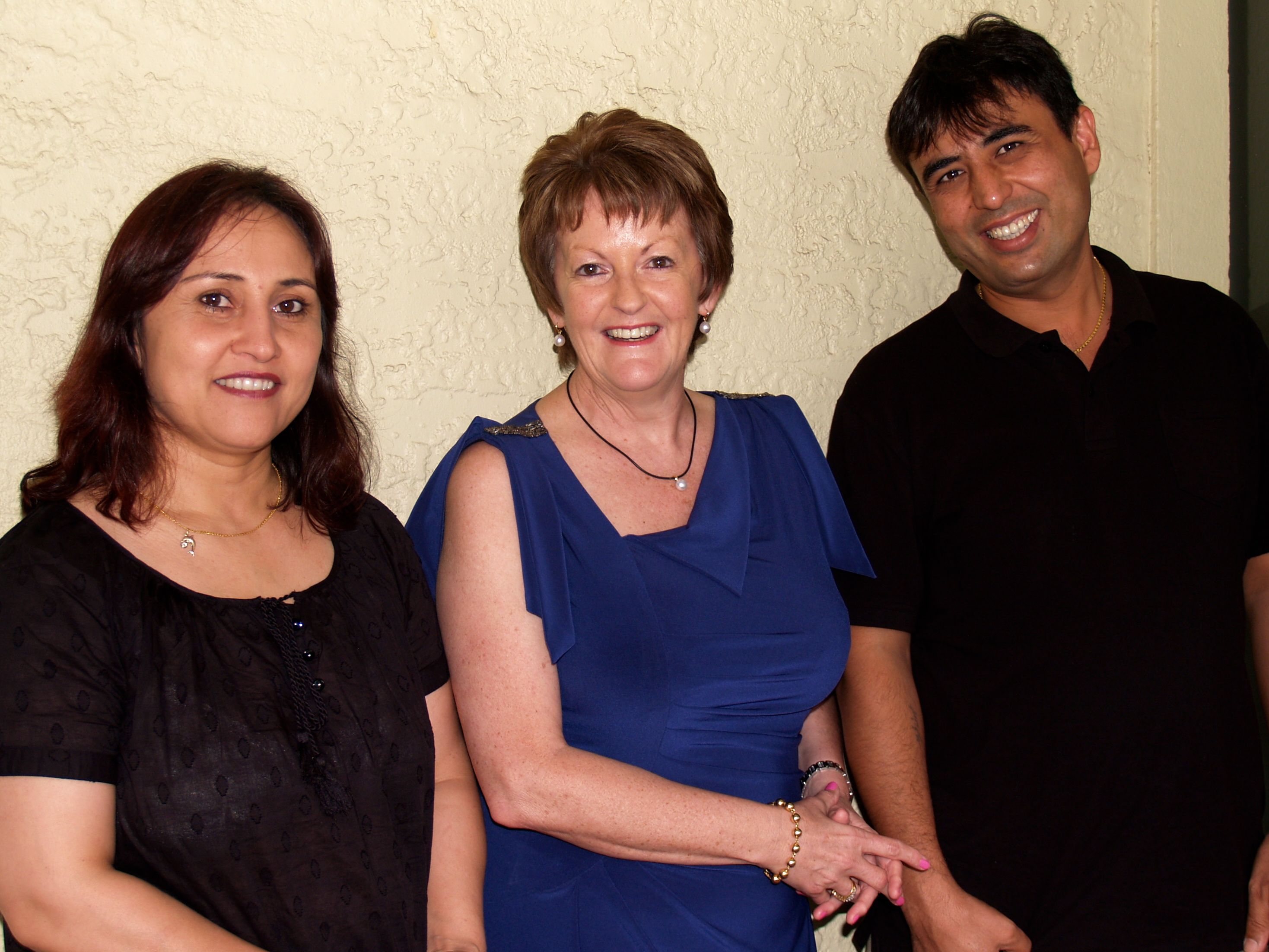
These are words my friend Fauzia used one afternoon as we shared a coffee. She was talking about when she arrived in Australia and was reunited with her husband Farid at Perth Airport after seven years. In fear of the Taliban, Farid had set out to find a new life for them in Australia. You can read more about Fauzia and Farid’s story on the More to the Story website.

Whenever I talk to refugees, they are always grateful for their freedom. The journey towards freedom represents the challenging path that many refugees take, escaping oppression, uncertainty and persecution for safety in a new place.  

In these new spaces, community is more than just a physical place or a group of people; community is a lifeline. It offers refugees safety, belonging, and the strength to rebuild. Every day millions of people across the world embark on dangerous journeys for the sole purpose of finding safety and freedom. From Australia to nations across the globe, settling into a new environment after experiencing the perils of a refugee’s journey can also provide the opportunity to live, to love and to dream.

This coming refugee week I urge you to get involved in some of the many events taking place around the world. In Perth, where I live, there are so many opportunities whether it’s at the local library, council, church or school. You can find out more on the Refugee Council of Australia website

When we understand the people, their vulnerability, and their issues, we all play a part in helping refugees to find freedom and community.

Farid and Fauzia with Rosemary

The Missing Children of Europe

An international investigation has found that tens of thousands of unaccompanied child migrants – 47 each day on average – have vanished after arriving in Europe over the past three years. 

While doing other research, I came across three organisations who specialise in tracking lost migrant and refugee children and was appalled and taken aback by my ignorance. 

Research by the journalist collective Lost in Europe revealed that at least 51,433 unaccompanied refugee children and young people who were previously in the care of the state went missing across Europe between 2021 and 2023.

According to the data collected in the latest investigation, Italy has more registered missing unaccompanied minors than any other country that provided data, with 22,899, followed by Austria (20,077), Belgium (2,241), Germany (2,005) and Switzerland (1,226).

The actual number of missing children may be even higher as gathering complete information is difficult, with some countries in Europe not even collecting data on missing unaccompanied minors according to a statement by the Lost in Europe project.

Ylva Johansson, the EU Commissioner for Home Affairs responsible for migration, in an interview with the German news portal rbb24 – a member of the Lost in Europe network – linked the problem to Europe’s “broken migration system”.

Child protection organisations like Missing Children Europe have confirmed that unaccompanied child migrants and refugees are at higher risk of abuse and are easily influenced by traffickers.

Many who arrive in Europe have already been exploited by smugglers to pay off debts or because they hold control over their loved ones or their passports.

A 2022 study by researchers at Ghent University – The Childmove Project – found that more than 80 percent of children experience physical violence during their migration to Europe. 

We should all care about this. How can we stay silent?