
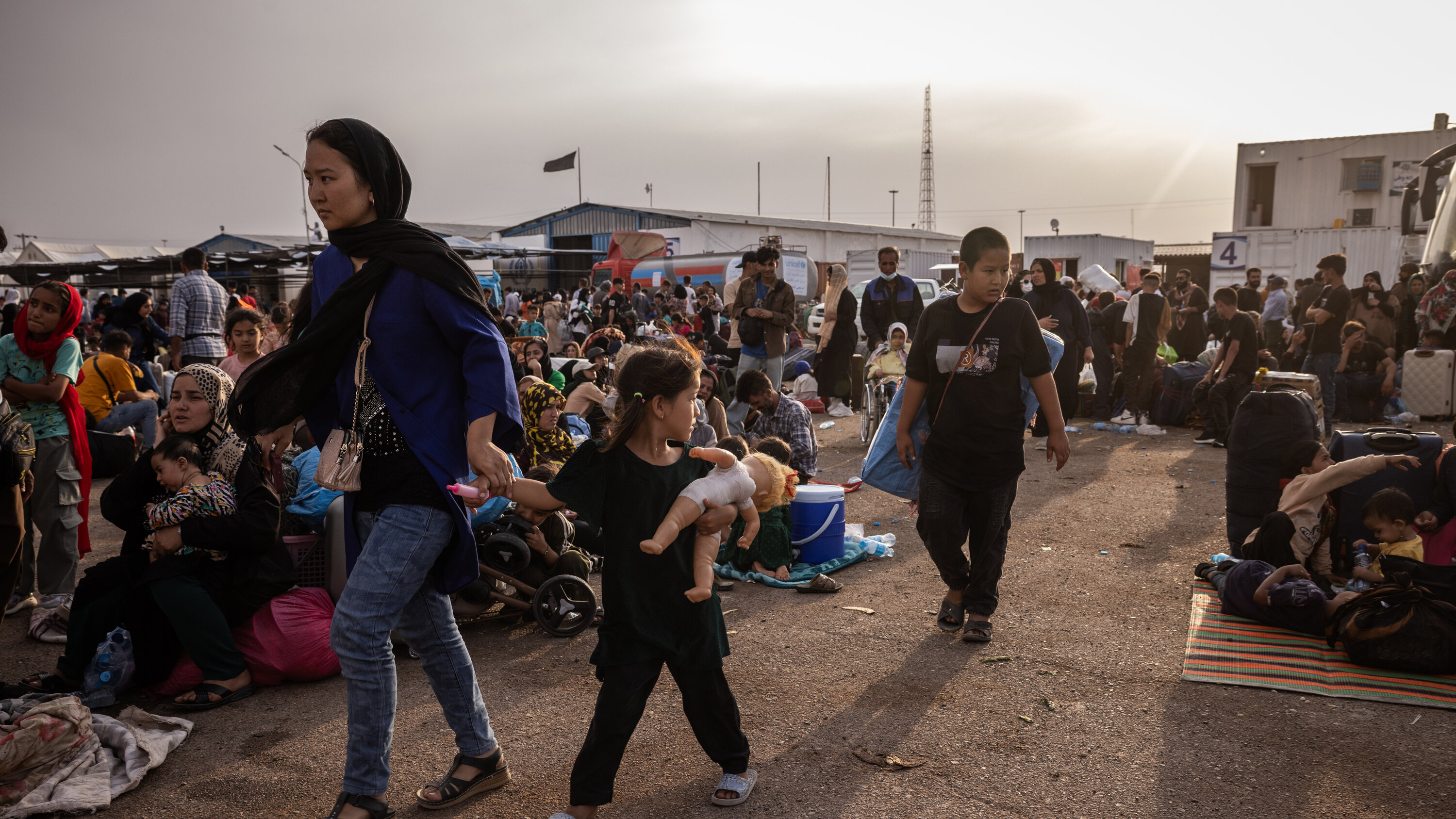
The wave of Afghan refugees and migrants being sent back from Iran to Afghanistan has intensified, with more than 410,000 being pushed out since the end of the Twelve Day War on 24 June 2025.
More than 1.5 million Afghan refugees and migrants have been sent back this year, according to the United Nations’ International Organization for Migration. The Red Cross says more than one million people more could be sent back by the end of 2025.
Iran has been hosting Afghans for decades. While it has periodically expelled irregular arrivals, it has now taken its efforts to unprecedented levels, accusing Afghans of being Israeli spies or taking advantage of their situation in Iran.
The Guardian reports a comment from an Afghan who said “They threw us out like garbage” as Iran rushes deportation of 4 million Afghans before their deadline.
This situation is even more dire for women, especially lone women. Thousands are being forced to return to face extreme repression and destitution under Taliban laws that forbid them to work or travel without a male guardian. No girls above grade six can go to school anymore. They are banned from showing their faces or speaking in public. Anyone caught breaking these laws is subject to public flogging.
Sahar is travelling with five children and spoke to the Guardian and Zan Times at the border. She says she has no idea where she will live now. A widow, Sahar has been living in Iran for ten years running a small tailoring workshop and had just put down a deposit on a small house. Last week she was detained, taken with her children from a refugee camp and deported. “I didn’t even get to pack our clothes. They came in the middle of the night.” She is now stuck at the border in stifling heat because she has no male chaperone.
Despite the fact it’s illegal and unsafe for Iran to deport people to a country where they will likely be persecuted, these deportations continue.
Zan Times is a women-led, investigative newsroom that covers human rights violations in Afghanistan with a focus on women and the LGBTQI+ community. They are a group of mainly women journalists working both inside and outside Afghanistan to tell their own stories, raising their voices to shape and inform public discourse. I highly recommend this website, which is my new resource for what is happening to Afghan Women.

 More to the Story