The State of the World’s Human Rights

Two important reports have recently been released that paint a sobering picture of human rights across the globe. 

Amnesty International’s Annual Report highlights the double standards throughout the world on human rights and the failure of the international community to unite around consistently applied human rights and universal values. 

The West’s robust response to Russia’s aggression against Ukraine contrasts sharply with a deplorable lack of meaningful action on grave violations by some of their allies including Israel, Saudi Arabia, and Egypt.

We need less hypocrisy, less cynicism, and more consistent, principled and ambitious action by all states to promote and protect all rights” said Agnès Callamard, Secretary General of Amnesty International.

The report also talks about the significant deterioration of women and girls’ rights across the world – rights to life, health, security, education, autonomy and sexuality. Women’s rights and freedom to protest are threatened as states fail to protect and respect rights at home. Callamard makes the point that “states’ hunger to control the bodies of women and girls, their sexuality and their lives leaves a terrible legacy of violence, oppression and stunted potential.”

As the Universal Declaration of Human Rights turns 75, Amnesty International insists that a rules-based international system must be founded on human rights and applied to everyone, everywhere.

The UNHCR mid 2022 global trends report provides statistics and trends relating to refugees, asylum-seekers, internally displaced people and stateless people. This report tells us that 103 million people have been forcibly displaced by persecution, conflict, violence, human rights violations and events that seriously disturbed public order – an increase on last year. 

There are 32.5 million refugees worldwide, with Turkey continuing to host the greatest number of refugees with 3.7 million. Interestingly, 76% of people originated from just six countries: Syria, Venezuela, Ukraine, Afghanistan, South Sudan, and Burma.

This year the Australian government is planning to issue 17,875 refugee and humanitarian visas. We could do a lot more, don’t you think? We are rich country with plenty of space and we are crying out for workers in the city and the regions.

My Favourite Women Writers

In celebration of this year’s International Women’s Day, I thought I would reflect on some of my favourite women writers and their works.  I am sure you have read a few of them.

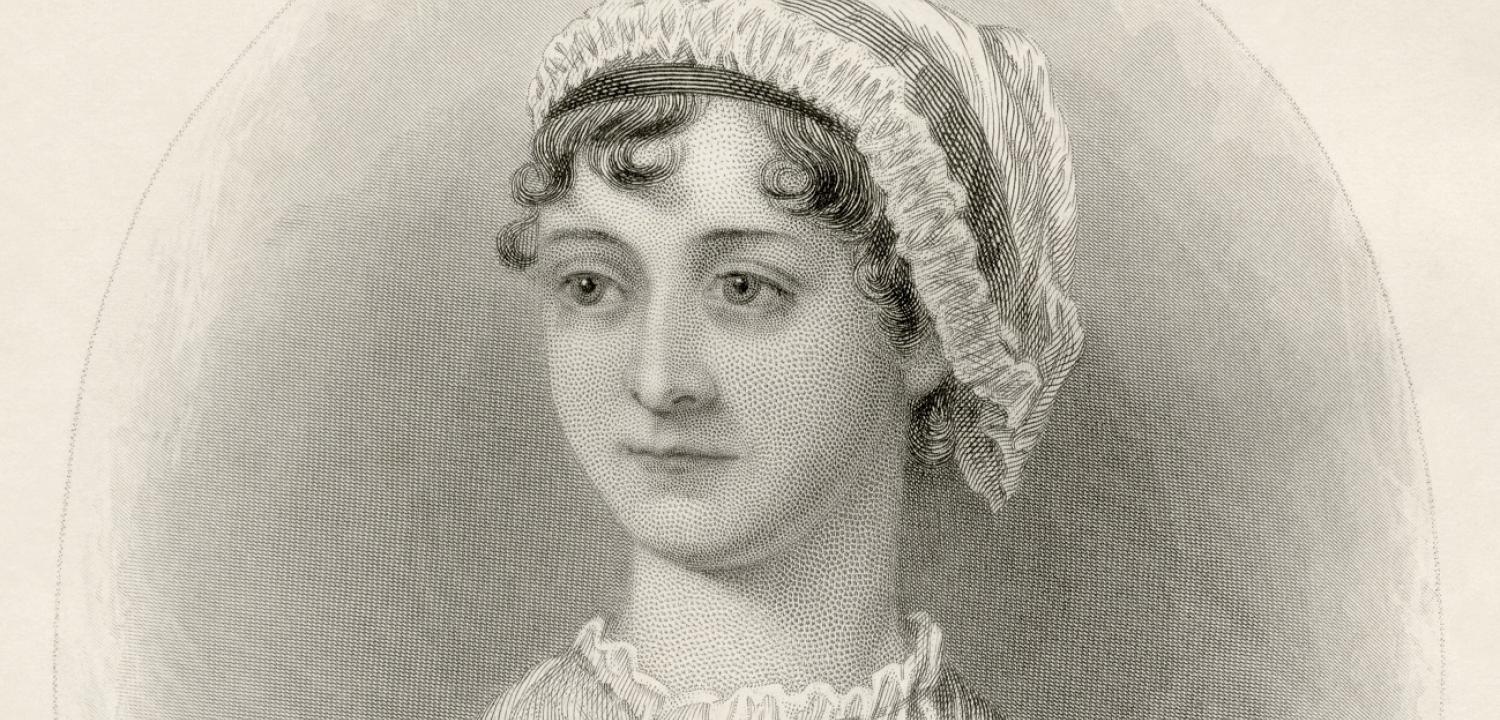
Jane Austen Such a classic writer!  Her novels interpret, critique and comment on British society. Austen gained status after her death and her six full-length novels have rarely been out of print. I re-read her work regularly and Pride and Prejudice is a favourite.

Virginia Woolf  Another English writer, Woolf is considered one of the most important modernist authors of the 20th Century.  She was a pioneer in the use of stream of consciousness.  My personal favourite is To the lighthouse along with her essay A room of one’s own.

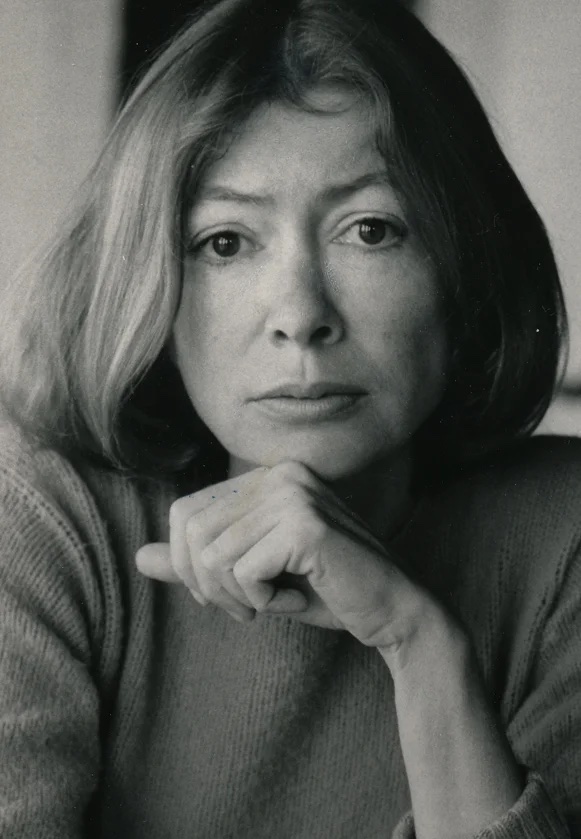
Joan Didion I wanted to be Joan Didion when I was a student.  She completely changed the way literary non-fiction was written and viewed. She has a spare, no nonsense style with acute observational skills.  Her memoir about the death of her husband, The year of magical thinking is one of the most moving books I have read.

J K Rowling I love Rowling because she made reading ‘cool’ for thousands of young non-readers with her series of six books about young wizard Harry Potter. She has sold more than 500 million books and is the best-selling children’s author in history.

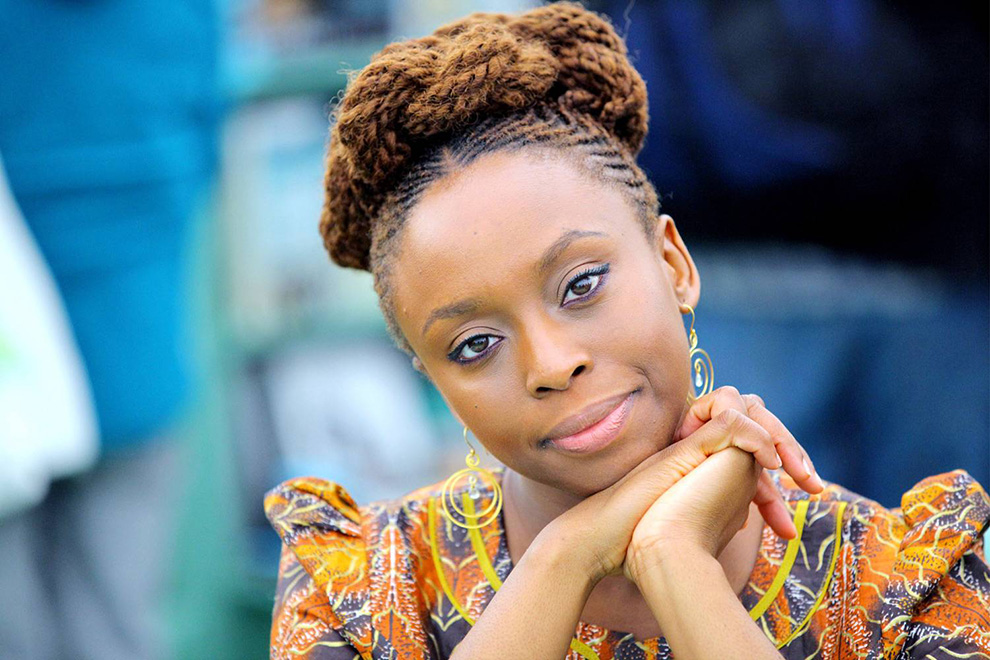
Chimamanda Ngozi Adiche My favourite of this Nigerian author’s books is Half a yellow sun where five characters tell of their war experiences in Nigeria.  She gave a TEDx talk in 2012 entitled We should all be feminists’ which has been viewed more than five million times and is worth a look.

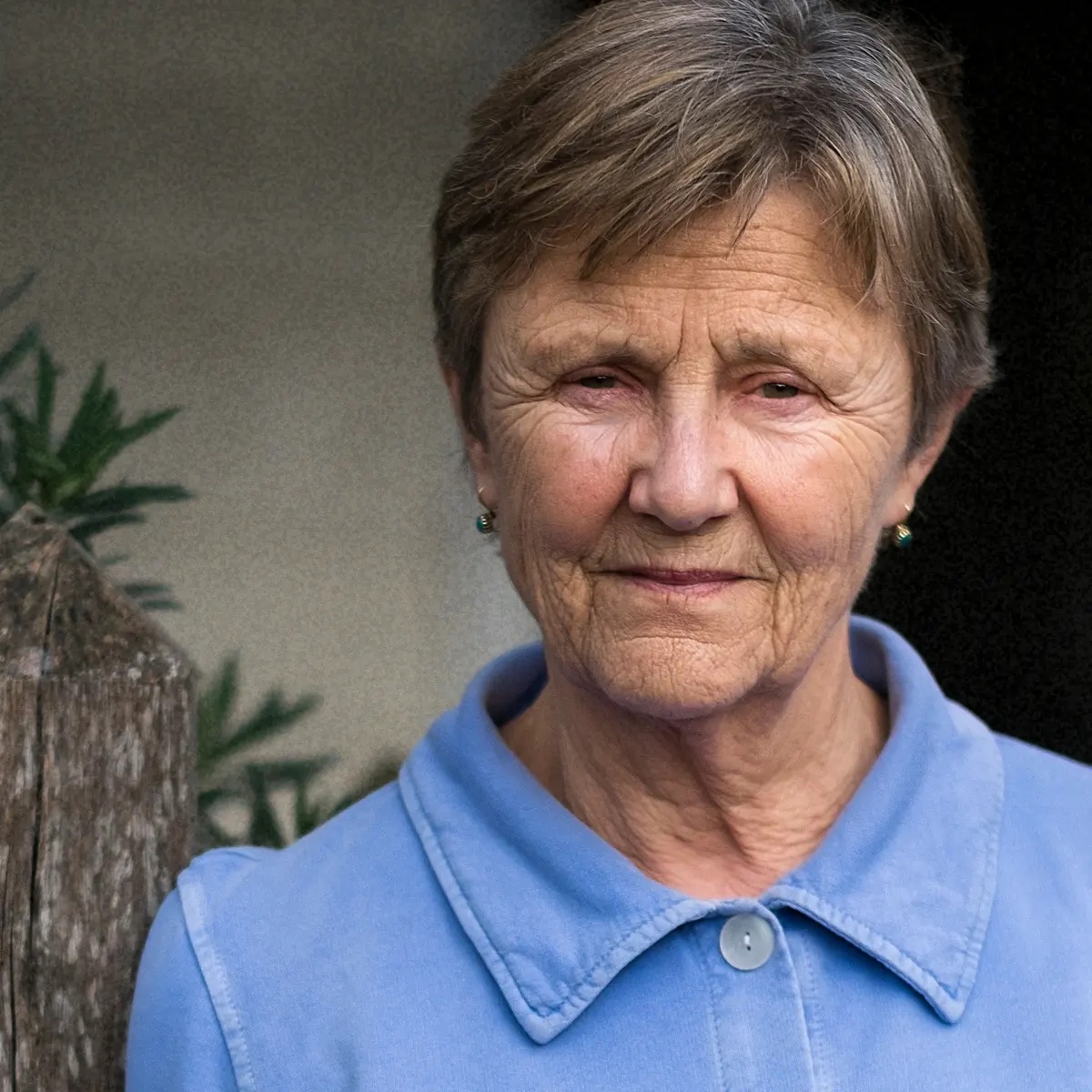
Helen Garner One of Australia’s best writers, her first novel Monkey grip established her as an original voice on the Australian literary scene. I particularly enjoyed Joe Cinque’s consolation and her recent diaries have been a delight.

Shirley Hazzard I’m always surprised when I meet people who haven’t read Hazzard. She was an Australian American novelist, short story writer and essayist. My favourite book is The great fire, although the Guardian calls her book The transit of Venus her breakthrough novel.

Gail Jones One of Australia’s most celebrated writers, she has received numerous literary awards.  Like many Australian writers her work has been translated into several languages.  Dreams of speaking and Five bells are fantastic.

Embracing Vulnerability

I recently co-authored an academic article with my colleague Dr. Susan Beth Rottmann, Assistant Professor at Özyeğin University in Turkey. Susan and I met at a conference in Madrid and discovered we had a mutual interest in writing about the lives of refugees.

Called Embracing vulnerability in writing migrant lives, our article explores how an anthropologist like Susan, and a life writer like me, need to be open to making themselves vulnerable when sharing peoples’ stories.

Vulnerability is not only an experience of migrants and refugees but is also experienced by researchers and writers. Susan and I discuss the ethical and political practice of vulnerability with regards to writing peoples’ stories and how we both used our own stories to enhance the readers’ understanding. Even with our different backgrounds, we found lot of common ground in our approaches. We also look at the risks associated with this kind of approach – one which does attract criticism.

When there is trust, the vulnerable storyteller, the vulnerable narrator, and the vulnerable reader open the door to different ways of imagining a fairer and more just society.

Susan draws heavily on her fascinating research over many years with German-Turkish migrant women and Syrian refugees. She focusses particularly on one story about her friend Leyla which was published in the 2019 book In pursuit of belonging: forging an ethical life in European-Turkish spacesI draw on my research and writing experience with people from a refugee background who have settled in Australia, using examples from More to the story – conversations with refugees and my research for my doctorate on refugees and life writing.

I’m very pleased that our article was recently published in the prestigious journal a/b: Auto/Biography Studies. While you would generally need a paid subscription, the publisher has provided me with some free online copies to share with my network. So, if you are interested in reading the full article, you may be able to access it via this link

Having afternoon tea with (L-R) Farid, Paul, Piok and Fauzia, some of the people who shared their story with me for More to the story-conversations with refugees

A Permanent Home at Last

Thousands of refugees living and working in Australia will be granted permanent residency after ten years in limbo living with Temporary Protection Visas or Safe Haven Enterprise Visas.

My Afghan friend said he cried when he heard the news.  He, like many other refugees with temporary status, is working and paying taxes. He works in the mining sector after having successfully gained a scholarship to study for a university degree in Australia. He already had one degree from India and is a fine upstanding young man.   

Why wouldn’t we want him as an Australian citizen?  He is a refugee who fled from persecution by the Taliban in fear for his life.  For years I have asked myself why the Australian government was persecuting him further.

This week’s announcement from the Albanese Government is a life changer for over 19,000 refugees who entered Australia prior to the dreadful ‘Operation Sovereign Borders’ policy that was enacted in 2013.  This policy centred around then immigration minister Scott Morrison’s mantra of ‘stop the boats’ and was applied to anyone who had arrived by boat to seek protection in Australia before 19 July 2013.  

Since then, those with temporary visas had to reapply every few years for their visa despite having been found to be refugees seeking asylum.  Restrictions also included no possibility of reuniting with families, no support for tertiary study, travel restrictions and limited access to disability and other social supports.

The Refugee Council of Australia is celebrating this long-awaited policy change, which was a Labor election promise. “Today’s announcement from Immigration Minister Andrew Giles is righting almost a decade of an inhumane policy which achieved nothing but untold harm and trauma to people who sought protection in Australia,” said Chief Executive Officer Paul Power. 

You can read more on their website or in the Guardian Australia.

These changes have been hailed by refugee advocates across Australia as “a victory of unity and compassion over division and fear”.

Today I am once again proud to be an Australian.

Stand up for Human Rights

Today there is more need than ever to stand up for Human Rights.  There are wars and disregard for human rights in Ukraine, Iran, Afghanistan, Burma, as well as many other places around the world. This means we need to keep informed and always thinking about how we can raise awareness of human rights issues.  

The slogan for this year’s Human Rights Day on 10 December was “Dignity, Freedom, and Justice for All” with the call to action as #StandUp4HumanRights. The 75th anniversary of the Universal Declaration of Human Rights (UDHR) will be celebrated on 10 December 2023. Ahead of this milestone celebration there will be a year-long campaign to showcase the UDHR by focusing on its legacy, relevance and activism. Take a look at the terrific video below.

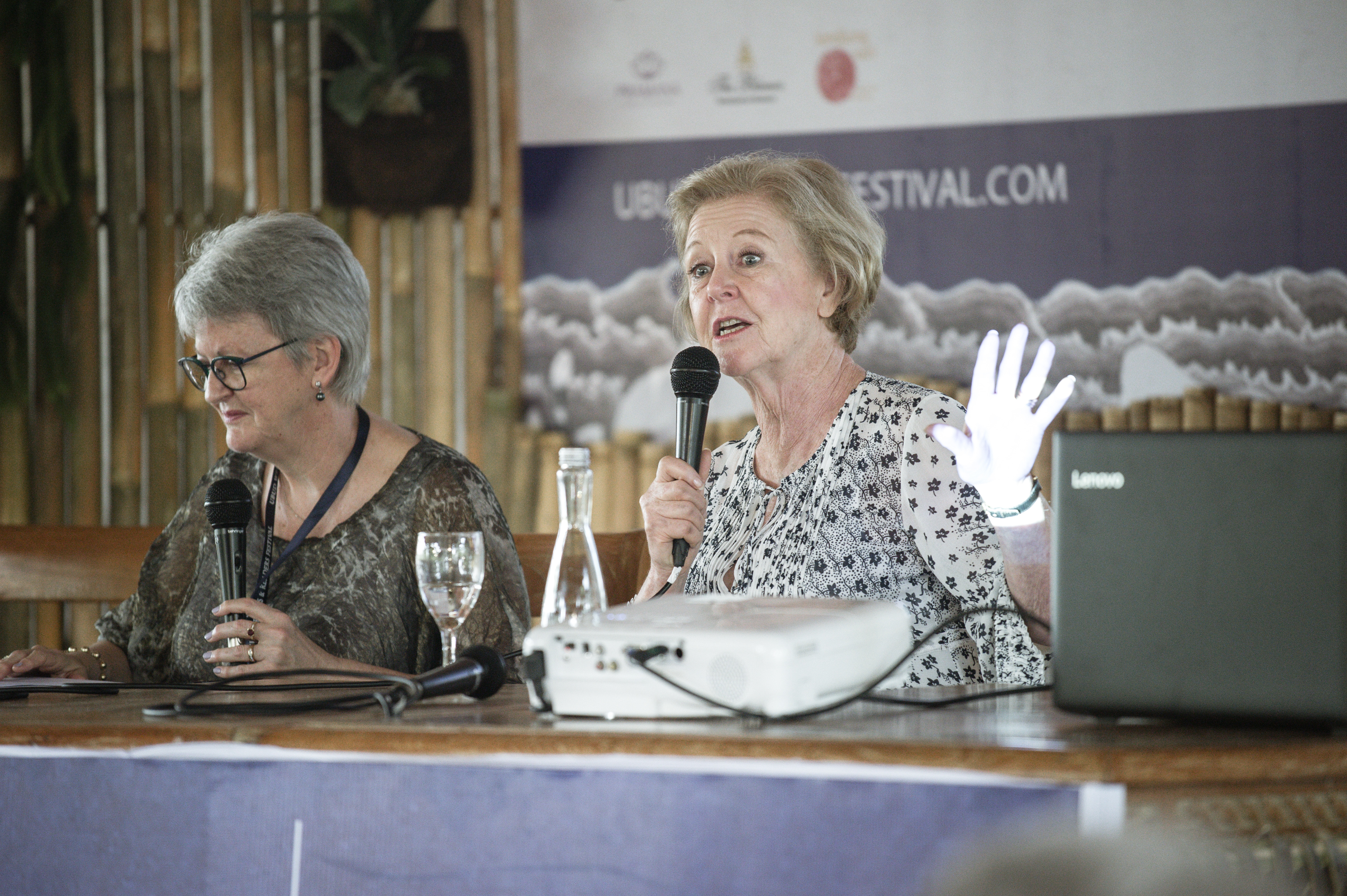
I was fortunate to mark this year’s Human Rights Day listening to a PEN sponsored event with the fabulous Peter Greste. 

Peter had a 30-year career as an award-winning foreign correspondent for the BBC, Reuters, CNN, and Al Jazeera, reporting from some of the world’s most volatile places. He was based in Afghanistan, former Yugoslavia, Latin America and Africa, and covered conflicts across those regions and in the Middle East. He is best known for becoming a headline himself when he and two of his colleagues were arrested in Cairo while working for Al Jazeera and charged with terrorism offences. In letters smuggled from prison, Peter described their incarceration as an attack on press freedom. He was released after a long international campaign. His book The First Casualty is a must read.

The news media has traditionally been viewed as the guardian of the public interest and as a watchdog on the activities of government. Yet much of the contemporary press are reliant on private business – and a model that that has changed completely thanks to the internet.  Greste asked us to reconsider journalism as a public good rather than a commercial enterprise and for us to develop of a set of regulatory and funding mechanisms to make it serve that purpose. 

As a former journalist, I was horrified to understand that some journalists now have KPIs surrounding the number of eyeballs or views that each one of their stories brings the news organisation.  It explains some of the strange headlines that I see online.  Why write about human rights or local council issues when a story highlighting a celebrity doing something inane is likely to draw more views and thus mean job success for you?

Whatever happened to the objectivity of journalism?

I highly recommend listening to Peter Greste talk about human rights and the importance of a free press in an interview with Margaret Throsby, who is famous for her interviews with high profile people linking them with their favourite music.

Respecting people of all ages

We have recently celebrated Ageism Awareness Day which is an opportunity to draw attention to the existence and impacts of ageism in Australia. It plays a critical role in changing community attitudes and building a world where all people of all ages are valued and respected and their contributions are acknowledged.

Alarmingly on a global scale 1 in 2 people are ageist. That is half of the world’s population who hold negative attitudes about ageing and older people.

Within Australia it is a highly accepted form of prejudice. From a personal perspective of someone who is 60 I know I am invisible at some shops and cafés. I often get overlooked for another person. My invisibility became obvious a few years ago when I let my hair go grey.  There is still so much negativity about women with grey hair, while on men it supposedly looks distinguished.

My older friends warn me I have not seen anything yet. My 70-year-old friend says she started to notice people talking down her as if she was stupid a few years ago.   Why would people think age equals stupidity? In many other cultures age equals wisdom and respect.

Council on the Ageing Australia Chief Executive, Ian Yates, said that while Australia has taken some steps in learning how to end ageism, there is still a very long way to go.

“Ageism is endemic in Australia,” Mr Yates said. “The Australian Human Rights Commission last year found that 90 per cent of Australians agree that ageism exists in this country, yet we are still yet to see some of the simple, concrete measures that older Australians have been asking for put in place to address this critical issue.”

On the brighter side, I still sit on two boards and write and my husband who is older than me sits on at least five boards or councils. We travel and participate in community events and spend time with family. We do not feel our age is holding us back. I do now see older workers now at my local hardware store and occasionally at a café.   With so much worker shortage in hospitality and other sectors, some of our older Australians are ready to fill those gaps.   

People of all ages, including older Australians, should be valued and respected and have their contributions acknowledged. Throughout their lives, from start to finish. The video below really sums up the issues around ageism.  Actor Bryan Brown, a youthful 75 years of age, really gets it.  I urge you to watch it. If you are having trouble viewing the video, you can find it on the EveryAGE Counts website.

One Year Since Afghanistan Fell

 “Victory and Freedom!” 

This chant rang out from central Kabul this week as hundreds of Taliban fighters and commanders gathered to mark a year since the group swept into Kabul ending a long, brutal war and upending the lives of millions. 

As expected, the return of this oppressive regime has in fact resulted in loss of freedoms for Afghan people, especially women.  Over the last year the Taliban have implemented the following policies:

  • Blocked Afghan girls from getting an education
  • Fired 125,000 women from government jobs
  • Revoked women’s right to drive
  • Fired 80 per cent of female journalists
  • Controlled what women wear and where they can travel
  • Changed the Ministry of Women’s Affairs to the Ministry of Vice and Virtue

You can find out more in this thoughtful article in Women’s Agenda

I have just finished reading August in Kabul by Australian photo journalist Andrew Quilty. One of the last foreign journalists left in Kabul as Afghanistan fell, Quilty shows through personal stories how naïve the Allied Forces, led by the Americans, were in believing they could negotiate towards a peaceful power-sharing.

It must be said that the Taliban’s military victory would never have come without the ineptitude and malfeasance of successive administrations in Kabul and their armed forces, and the hubris of the American-led international military coalition,” writes Quilty.

Another foreign affairs expert, David Kilcullen, has co-authored a book with Greg Mills The Ledger: Accounting for failure in Afghanistan which delves into 20 years of mistakes and missteps by the West in Afghanistan. “After confidently assuring everybody that the Taliban were not likely to come anywhere near Kabul within a year, we saw the collapse of 16 out of the 34 provinces in about two days, and all of the rest bar one in another week.” You can listen to a terrific interview with Kilcullen here

Neither of these books are easy reads and they made me angry on so many levels: what a waste of twenty years of peacebuilding in the country; fear for women under Taliban rule again; and how incompetent the evacuation was for Afghan people who had collaborated with the allies. I am grateful that family of my friends Farid and Fauzia were able to get out and start a new life here in Western Australia.

REUTERS/Adnan Abidi

Reflections on Refugee Week

We have just finished Refugee Week which was celebrated with major events around the world. The week aims to promote harmony and togetherness with the theme this year of Healing. The importance of human connections has been underscored by the pandemic and the lessons from this can help our community in so many ways. 

We can draw upon shared hardship to heal wounds, to learn from each other and to move forward. Healing can occur through storytelling, through community and through realisation of our intrinsic interconnectedness as individuals. The common theme is a reminder that, regardless of our differences, we all share a common humanity.

I spent some time during the week reflecting on the change of government in Australia and hoping conditions can be re-set for so many people who came as asylum seekers to Australia and whose lives currently remain in limbo.

One of the organisations of which I am a director is CARAD – the Centre for Asylum Seekers, Refugees and Detainees. Along with the Centre for Human Rights Education at Curtin University where I partly studied my doctorate, CARAD is extremely active in advocacy for those people with lived asylum seeker and refugee experience including those on temporary protection visas. Our new Prime Minister Anthony Albanese said before the election that his government would oppose temporary protection visas. Right now in Australia more than 15,000 people of various nationalities are on temporary protection visas.

We need to keep them to their word.

I am in Europe at the moment and am watching with horror as the United Kingdom introduces its “Rwanda policy.” This policy will mean people who come seeking asylum by boat across the English Channel will be sent to Rwanda for processing. The UK Prime Minister has said they modelled this approach on Australia’s offshore processing – how horrible! These asylum seekers have little chance of a getting any sort of visa.

People are being punished all around the world for fleeing persecution and seeking asylum. The United Nations High Commissioner for Refugees strictly states that it is not illegal to seek asylum. 

Where has our humanity gone?

Everybody Belongs

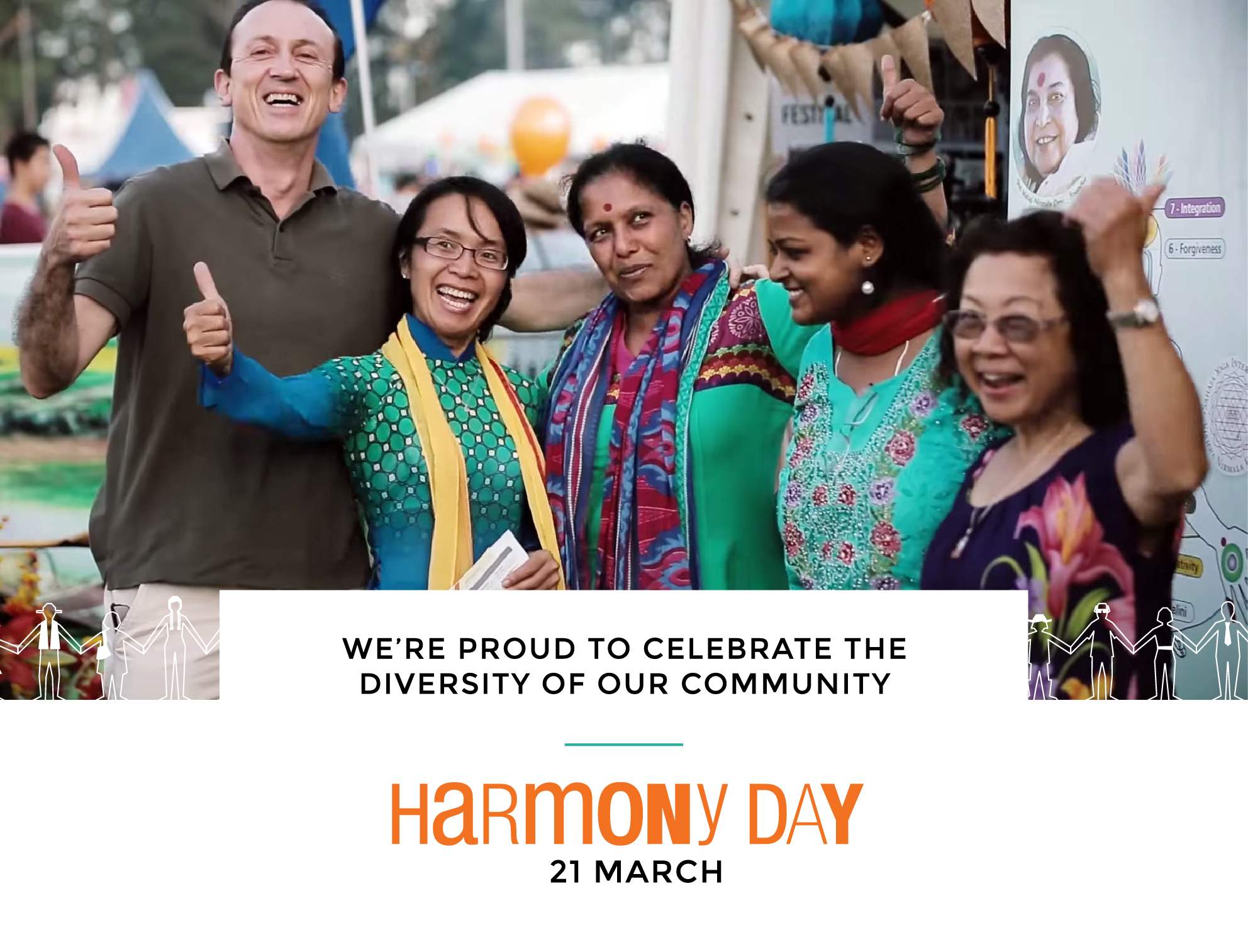
Australia is a vibrant and multicultural country — from the oldest continuous culture of our first Australians to the cultures of our newest arrivals from around the world.  This Harmony Week 15 – 21 March, that is worth celebrating.  

We especially come together to celebrate Harmony Day on 21 March. Created in 1999 to celebrate unity and diversity, Harmony Day was originally an Australian celebration but is now marked worldwide by conscientious citizens. The continuing theme of Harmony Day is Everybody Belongs.

Here are nine stories that will inspire you during the week. Called Food, Faith and Love in WA they were put together by the WA Office of Multicultural Interests and one of my favourite places, the Centre for Stories

An integrated multicultural Australia is an integral part of our national identity. All people who migrate to Australia bring with them some of their own cultural and religious traditions, as well as taking on many new traditions. Collectively, these traditions have enriched our nation.

There are some fascinating statistics about Australia’s diversity that can be good conversation-starters:

  • Nearly half (49%) of Australians were born overseas or have at least one parent who was,
  • We identify with over 300 ancestries,
  • Since 1945, more than 7.5 million people have migrated to Australia,
  • 85 per cent of Australians agree multiculturalism has been good for Australia,
  • Apart from English, the most common languages spoken in Australia are Mandarin, Arabic, Cantonese, Vietnamese, Italian, Greek, Tagalog/Filipino, Hindi, Spanish and Punjabi.

It’s been heartening to see sport and the arts around the world unite in anti-racism messages over the last several years.  Teams make a stand on the pitch/ground/court before every game. Sport transcends culture. It breaks down barriers and helps to build inclusive communities. Sport brings people together by sharing a common goal.

Our cultural diversity is one of our greatest strengths and is at the heart of who we are. 

It makes Australia a great place to live.

Break the Bias

Women in Australia have been fighting for the right to equal pay since early this century. The principle of equal pay for equal work was recognised in the Universal Declaration of Human Rights in 1948. Since then, women’s right to equal remuneration has gained increasing international support. Australian women workers were granted equal pay in 1969.

Twenty years ago, ten years ago, five years ago, I kept thinking well at least my granddaughters will not have to fight for equal pay and respect like I did. But that simply isn’t true. Despite laws against pay inequality, those same battles continue to be fought.

I spent most of my working life in Perth – except for a decade in Hong Kong where amazingly I faced no discrimination and always received equal pay. But here in Western Australia, the gender pay gap is the largest in Australia at 21.9%, with men earning approximately $23,000 more over the course of a year than women. Western Australia is followed by Queensland and then NSW as the states with the next highest pay gaps. 

I am so angry about this situation. We have to keep talking about the gender pay gap and bringing it into the open. When I discuss this with most of the men I know, they are appalled… they simply don’t know.

I tried to think of some positives for this week’s International Women’s Day and there are many.  Young women have once again found their voices led by Grace Tame and Brittany Higgins. If you didn’t hear the joint address by these two young women at the National Press Club early in February, I urge you to take 30 minutes to listen to it. 

I hope we see the change they are so passionately advocating for reflected in a change of Federal government at the coming elections. If ever there was a government with a tin ear about women and women’s issues, it’s this one. 

The #metoo movement has developed into a strong force in discussions around the world. So much for those who said it was a fad!  I know many women (myself included) who signed up to support #metoo about their experiences of discrimination in the workplace and we are still a powerful cohort for change. 

Personally, I will keep advocating and writing for women everywhere.

Enough is enough.