Finding Freedom

Welcome to Refugee Week. Held each year around World Refugee Day on 20 June, it’s all about increasing awareness of the issues refugees face and the contributions they make in our communities.  

The Refugee Week theme this year is Finding Freedom: Diversity in Community.

Most of us in Australia don’t have to think about freedom; it just is. But when I was writing my two books about refugees the concept of freedom and what it meant came up so often.   

I stood still and turned my face up to the sky to let the raindrops fall on it. Farid kept telling me to hurry up and get out of the rain. I will never forget how it felt on my skin and the smell of the wet soil. I looked at Farid and my boys and laughed out loud. I told them I needed a few minutes to just stand in the rain and feel freedom.

These are words my friend Fauzia used one afternoon as we shared a coffee. She was talking about when she arrived in Australia and was reunited with her husband Farid at Perth Airport after seven years. In fear of the Taliban, Farid had set out to find a new life for them in Australia. You can read more about Fauzia and Farid’s story on the More to the Story website.

Whenever I talk to refugees, they are always grateful for their freedom. The journey towards freedom represents the challenging path that many refugees take, escaping oppression, uncertainty and persecution for safety in a new place.  

In these new spaces, community is more than just a physical place or a group of people; community is a lifeline. It offers refugees safety, belonging, and the strength to rebuild. Every day millions of people across the world embark on dangerous journeys for the sole purpose of finding safety and freedom. From Australia to nations across the globe, settling into a new environment after experiencing the perils of a refugee’s journey can also provide the opportunity to live, to love and to dream.

This coming refugee week I urge you to get involved in some of the many events taking place around the world. In Perth, where I live, there are so many opportunities whether it’s at the local library, council, church or school. You can find out more on the Refugee Council of Australia website

When we understand the people, their vulnerability, and their issues, we all play a part in helping refugees to find freedom and community.
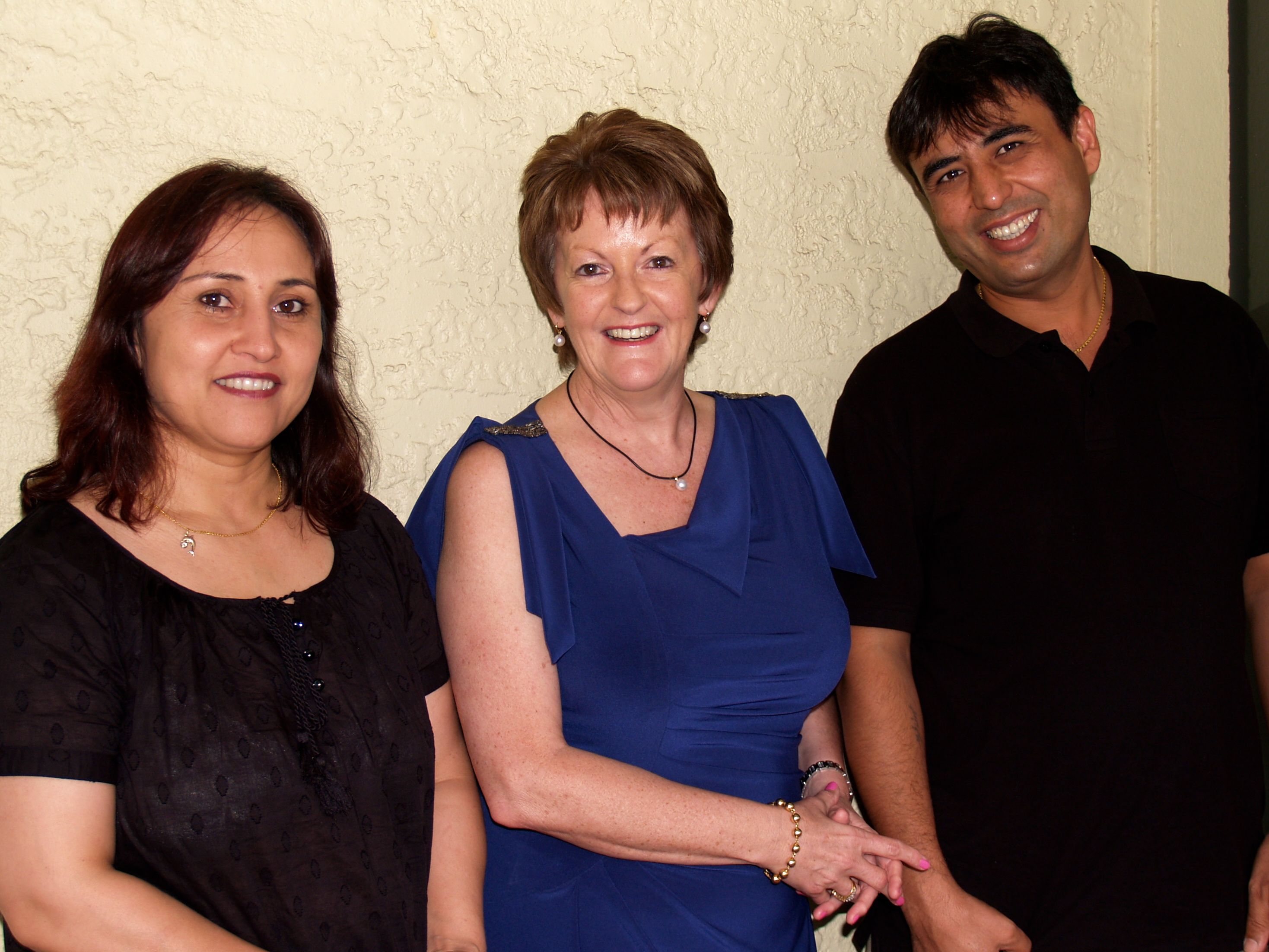
Farid and Fauzia with Rosemary

Finding Freedom

To coincide with Refugee Week this year, the United Nations has released its latest Global Trends Report. It’s not happy reading but it’s essential we all understand what’s happening in our world.

One in every 69 people, or 1.5 per cent of the entire world’s population, is now forcibly displaced. This is nearly double the 1 in 125 people who were displaced a decade ago.

At the end of 2023, an estimated 117.3 million people worldwide were forcibly displaced due to persecution, conflict, violence, human rights violations, and events seriously disturbing the public order. Based on operational data, UNHCR estimates that forced displacement has continued to increase in the first four months of 2024 and by the end of April 2024 is likely to have exceeded 120 million. 

It’s important for us to remember that behind every number is a person – and over half of them are children.

The increase to 117.3 million at the end of 2023 constitutes a rise of 8 per cent or 8.8 million people compared to the end of 2022. This continues a series of year-on-year increases that has lasted 12 years.

Filippo Grandi, the UN High Commissioner for Refugees reminds us “that behind these stark and rising numbers lie countless human tragedies.” He says, “this suffering must galvanise the international community to act urgently to tackle the root causes of forced displacement.”

This year’s Refugee Week theme “Finding Freedom” – with a focus on family – encapsulates the profound journey of resilience, strength, and unity that defines the refugee experience. For most of us family is one of the most important things in our life. Families can provide love, support, safety and belonging. 

Many refugees are separated from their family, often for decades, sometimes forever.

You can read stories about families taking the journey, families left behind and families welcoming new arrivals, and find more information on the Refugee Week website.

It’s easy to get caught up in the 24-hour news cycle and only hear about one issue; but there are many more not making the news. Please donate to organisations like CARAD and Edmund Rice Centre WA.  Search out other organisations if you are located outside Western Australia. 

These organisations rely on public support to be able to continue to do their incredibly valuable work supporting refugees.

Everyone Belongs

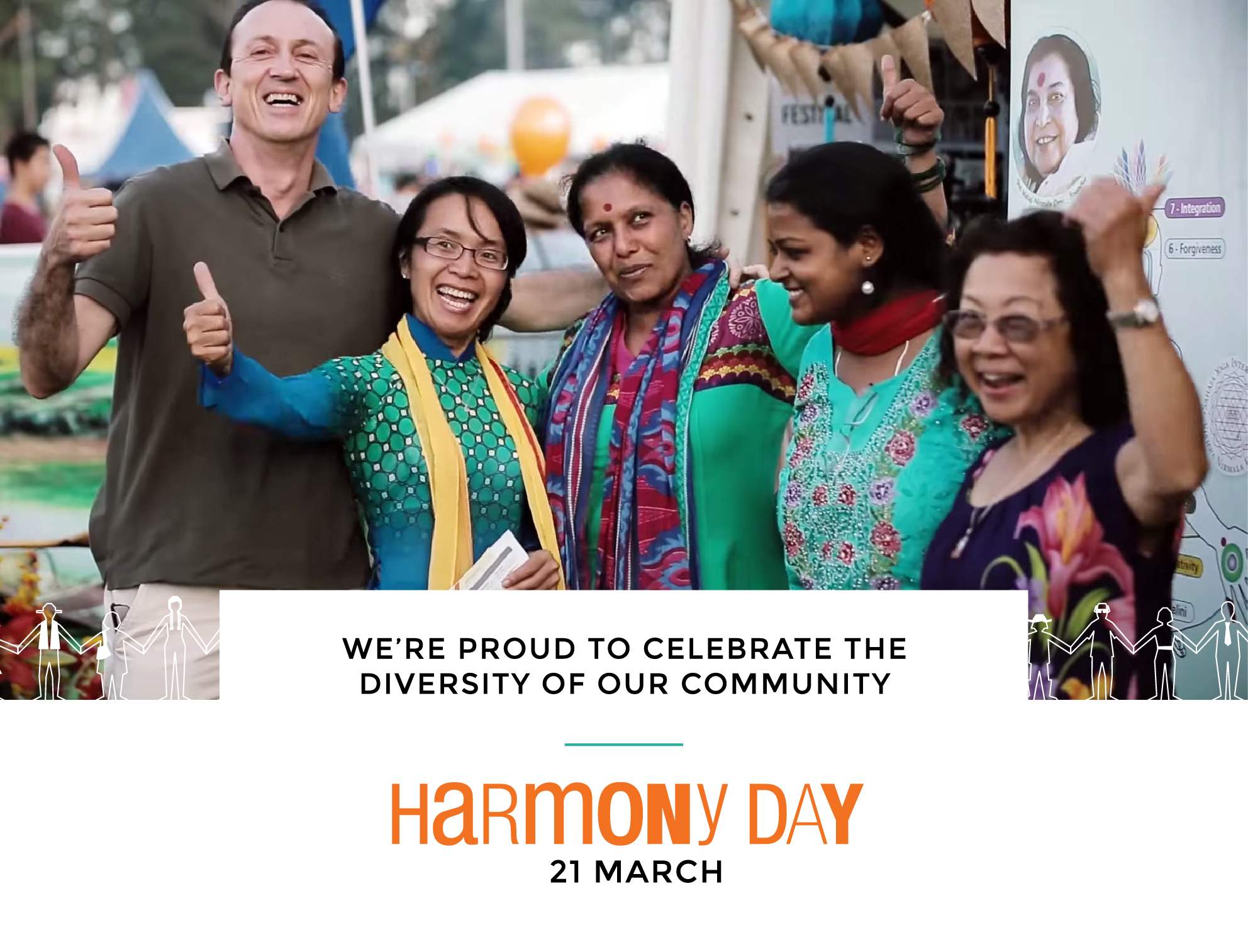
It’s Harmony Week which is the celebration that aims to recognise our diversity and bring together Australians from all different backgrounds.

It’s about inclusiveness, respect and a sense of belonging for everyone.​ Over half of Australians were born overseas or have at least one parent who was born overseas. As a day of anti-racial discrimination, this year’s theme is “Everyone Belongs”.

Many of the refugees who I have interviewed over the years are enormously grateful to Australia for giving them a home when they were forced to flee persecution in their own country. As my friend Paul, a Karen man from Burma, told me he still remembers what he said when he arrived in Australia : “I am a free man. I can smell freedom in the air.” You can read more about Paul on my website.

I don’t have to think about freedom in Australia, it just is. But during this Harmony Week it’s hard not to think about places where people are living without harmony. Burma, Israel and Gaza, Ukraine and Haiti to name a few.  

Harmony Week is celebrated during the week that ​include 21st March, which is also the United Nations International Day for the Elimination of Racial Discrimination. The Australian government has been criticised for continuing to call the 21st March Harmony Day, instead of joining with the world community to celebrate the International Day for the Elimination of Racial Discrimination.

I’m pleased to think about harmony and inclusion this week, but I still feel Australia is a fundamentally racist country like so many others. Critics argue that Australia’s failure to commit to the purpose of the UN day has hindered our efforts to understand, fund, and develop research into problems stemming from systemic racism. There’s an interesting article that delves into this issue here.

But I think we should all try and attend a Harmony Week event and focus on the fact that in our country everyone should belong. How can we make people feel more comfortable? My approach is to read about places around the world to understand both the good and the bad. Sometimes you find a lot of harmony where you least expect it.

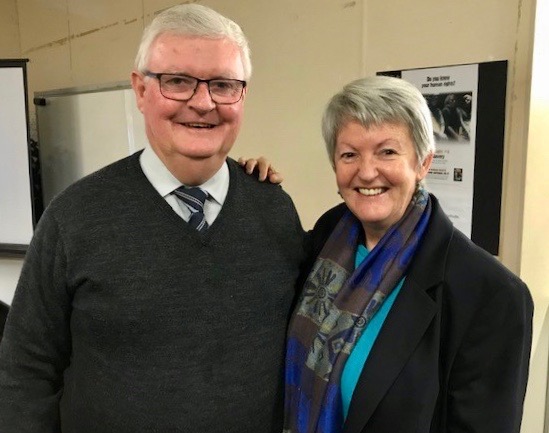
Rosemary and Paul

Everybody Belongs

Australia is a vibrant and multicultural country — from the oldest continuous culture of our first Australians to the cultures of our newest arrivals from around the world.  This Harmony Week 15 – 21 March, that is worth celebrating.  

We especially come together to celebrate Harmony Day on 21 March. Created in 1999 to celebrate unity and diversity, Harmony Day was originally an Australian celebration but is now marked worldwide by conscientious citizens. The continuing theme of Harmony Day is Everybody Belongs.

Here are nine stories that will inspire you during the week. Called Food, Faith and Love in WA they were put together by the WA Office of Multicultural Interests and one of my favourite places, the Centre for Stories

An integrated multicultural Australia is an integral part of our national identity. All people who migrate to Australia bring with them some of their own cultural and religious traditions, as well as taking on many new traditions. Collectively, these traditions have enriched our nation.

There are some fascinating statistics about Australia’s diversity that can be good conversation-starters:

  • Nearly half (49%) of Australians were born overseas or have at least one parent who was,
  • We identify with over 300 ancestries,
  • Since 1945, more than 7.5 million people have migrated to Australia,
  • 85 per cent of Australians agree multiculturalism has been good for Australia,
  • Apart from English, the most common languages spoken in Australia are Mandarin, Arabic, Cantonese, Vietnamese, Italian, Greek, Tagalog/Filipino, Hindi, Spanish and Punjabi.

It’s been heartening to see sport and the arts around the world unite in anti-racism messages over the last several years.  Teams make a stand on the pitch/ground/court before every game. Sport transcends culture. It breaks down barriers and helps to build inclusive communities. Sport brings people together by sharing a common goal.

Our cultural diversity is one of our greatest strengths and is at the heart of who we are. 

It makes Australia a great place to live.

Reflections this Refugee Week

Unity is the theme of refugee week this year and I can’t think of anything more apt. The volatility of life in recent times has shown us unequivocally that we need to work together, often merely to survive, let alone to thrive and progress.

Refugees make such a positive impact in this country. If you look, there are inspiring stories everywhere. I particularly enjoyed reading Hava Rezaie’s story about her work as a refugee women’s rights advocate in Afghanistan, Iran and now in Australia.

Sharing food has always been a special part of refugee week and many television channels have been featuring programs dedicated to food from different countries made by refugees.  Here is a selection of recipes from refugees that you might enjoy exploring. 

Finally the Refugee Council of Australia is advocating for over 6,000 refugees who are stuck in an indeterminable limbo.  These children, women and men have already been granted permanent humanitarian visas to enter Australia. But they’ve been denied entry – some missing out by mere days when the borders closed because of the pandemic. On every level, this is just a dreadful situation. 

In just over a year of COVID-related travel restrictions, more than 500,000 people have been able to enter Australia. These include returning citizens and permanent residents but also many who are neither – including movie stars, tennis players, business people and skilled migrants who were given automatic exemptions.

From refugees living without work rights for over seven years in Indonesia, to those in sprawling refugee camps in Jordan, families are now trapped, awaiting our nation to fulfil its promise to get them to safety.   

My hope is that we never lose sight of those people in vulnerable situations. Let’s take the opportunity to start afresh and rebuild our lives together… in unity. 

Imaginary encounters

I was recently invited to join a group of writers to visit the exhibition of Everything is true by Abdul-Rahman Abdullah at the John Curtin Gallery at Curtin University.  Our goal was to each produce a short piece of creative writing in reaction to one of the artist’s sculptures.  Organised by Associate Professor Rachel Robertson at Curtin University, I was pleased to be part of such a writing adventure. 

Eleven writers shared their work with an attentive audience at a function at the gallery. Each of the readings – imaginary encounters- were quite different.  Mine was written about a 2019 sculpture called ‘Little Ghost’.

Abdul-Rahman Abdullah is an Australian artist whose practice explores the different ways that memory can inhabit and emerge from familial spaces. The exhibition runs until mid-April.

Little Ghost

I see you.  Why can’t you see me?  I am human just like you except I live in a war zone.   The bombs fall every day and sometimes they hit near my house or my Auntie’s house next door. Usually, the air echoes with a warning siren and we all run toward the underground cellar when we hear the planes.   

My brothers know what sound each plane from each country makes. I am not sure there is any difference.  It didn’t matter when my mother was hit returning from the market with fresh fruit and vegetables in her basket.  The bomb sliced through her body.  Her blood seeped into the sand staining it like rust. Random tomatoes and apples rolled across the ground. 

It wasn’t safe to get her body from the street for hours. My father carried her over the potholes and the past the bullet ridden houses to bring her home for us to bury. I cry every night for mama.  

My grandmother makes me cover up hoping it will keep me safe from the eyes of the invaders. But she doesn’t know she has made me invisible to everyone else.   I am so alone under my cloth.  I weep my silent tears among the voices.

Little Ghost by Abdul-Rahman Abdullah

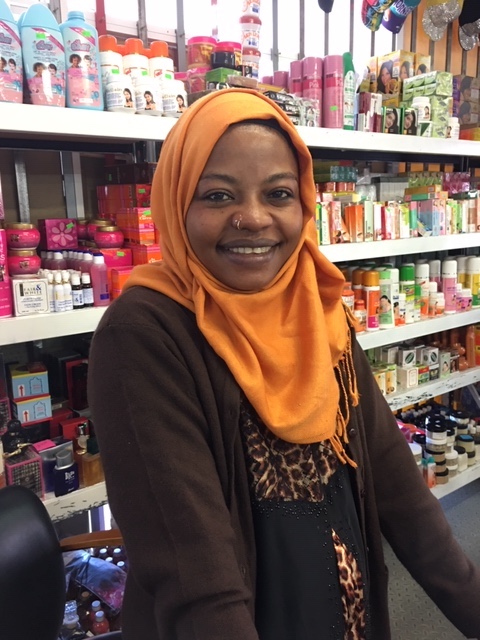
Amina’s story

“Australia is my home now, not Sudan.  Everything is normal here.  People don’t have guns pointing at you and your family.   I feel safe,”

Amina is a refugee from Sudan who escaped persecution to come to Australia with her husband and children.  After a very difficult decade for the family, in 2000 Amina’s husband explained to his family that they must escape from their country.  They could all see the violence was worsening.  Amina sighed and quietly told me: ‘you can’t live like that.’

“Our family needed to be safe and away from all the fighting.  We were locked in our home a lot of the time.   Villages, and even people, were being set on fire around us.  My husband travelled ahead of us to secure somewhere safe in neighbouring Egypt.  I was glad to get out.  I was scared of the violence, but I was also scared of what the future would hold for my family.”

Everyone settled in Egypt as best they could and seven months after fleeing the horrors of Darfur and claiming refugee status through the UNHCR the family were accepted as refugees by Australia for re-settlement.

“I didn’t know what to expect.  This country called Australia seemed so far away and we were leaving my mother, father, brother, and other family behind.  When we moved into our first rented place in Perth, we had nothing.  No furniture – nothing.  I couldn’t imagine how we were going to manage in this strange country as I spoke no English.  I persevered and gradually I began to feel better.  Australia was normal and safe.  There was nobody with a gun.”

She made an effort to become involved in new things and joined the language classes and other activities at the Edmund Rice Centre WA. “It opened my eyes to how life could be. Everyone was so friendly.   No-one was judgmental and it didn’t matter what country you came from, or what your religion was everyone was treated equally. It was like a big family. I knew I had found my place.  I had a family again.  I belonged.

Amina was very motivated to learn and grew in confidence working in a variety of different jobs as well as alongside her husband in his business over many years. Recently she decided to seek another employment opportunity in aged care. She gathered all her study certificates, most of which are qualifications for working with the elderly, wrote a resume, was offered an interview and was ultimately successful, returning triumphantly to celebrate her new job with her friends and family.

Amina has seven children who are all doing well at school and university.   Her husband owns and manages a retail outlet and they have called Australia home for nearly 20 years. I thought back to how Amina described herself when she arrived in Australia as a frightened, lonely woman who knew no-one. Over the years she has studied to become a successful businesswoman with a close knit, loving family.

“Of course, I am much happier now.  We are settled and in our own home and we have become Australian citizens. I’m still tired with all the work, of course, but that’s ok most of the time.”

Weaving Culture

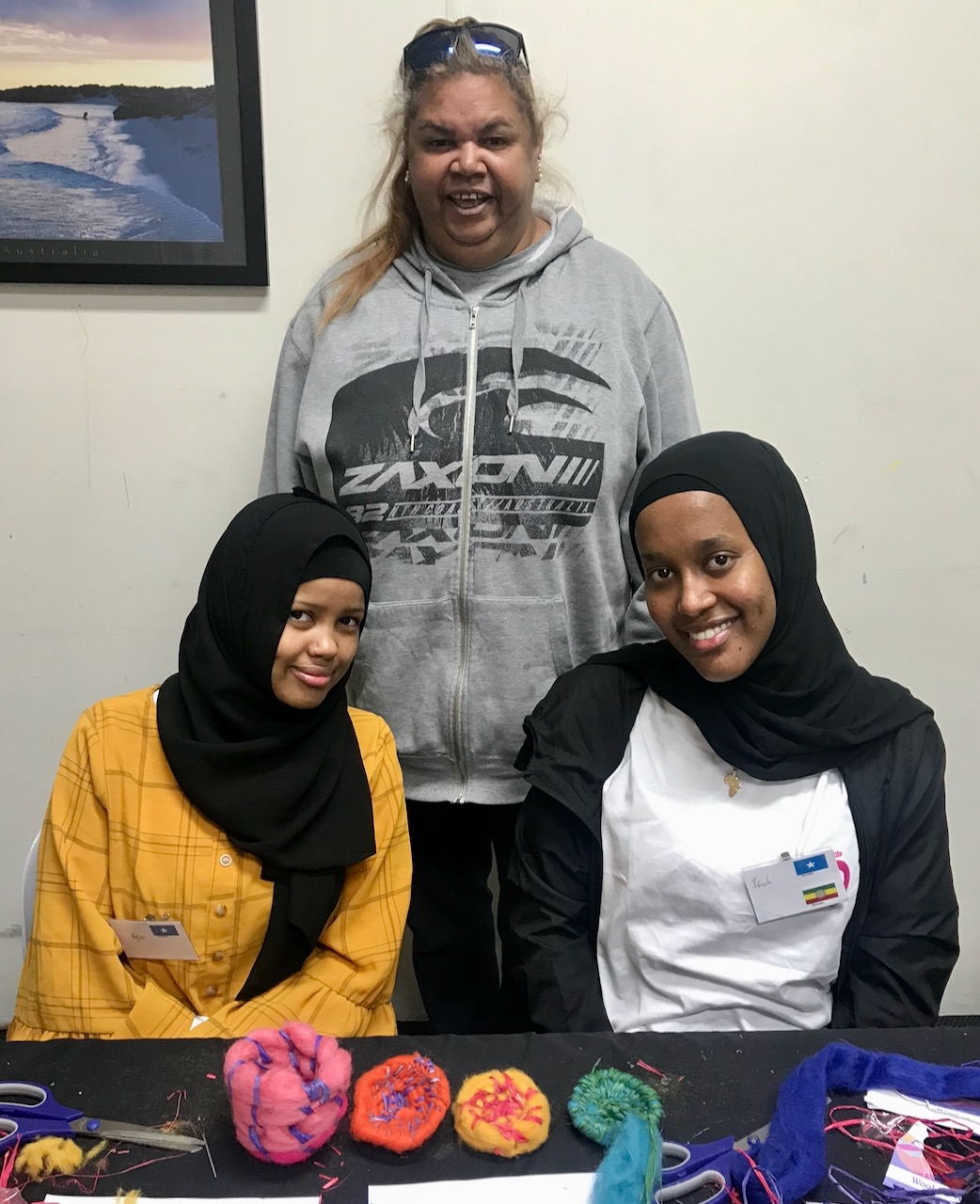
In celebration of NAIDOC Week, I thought I would feature a wonderful program at the Edmund Rice Centre called Weaving Culture that brings women of a different background together.

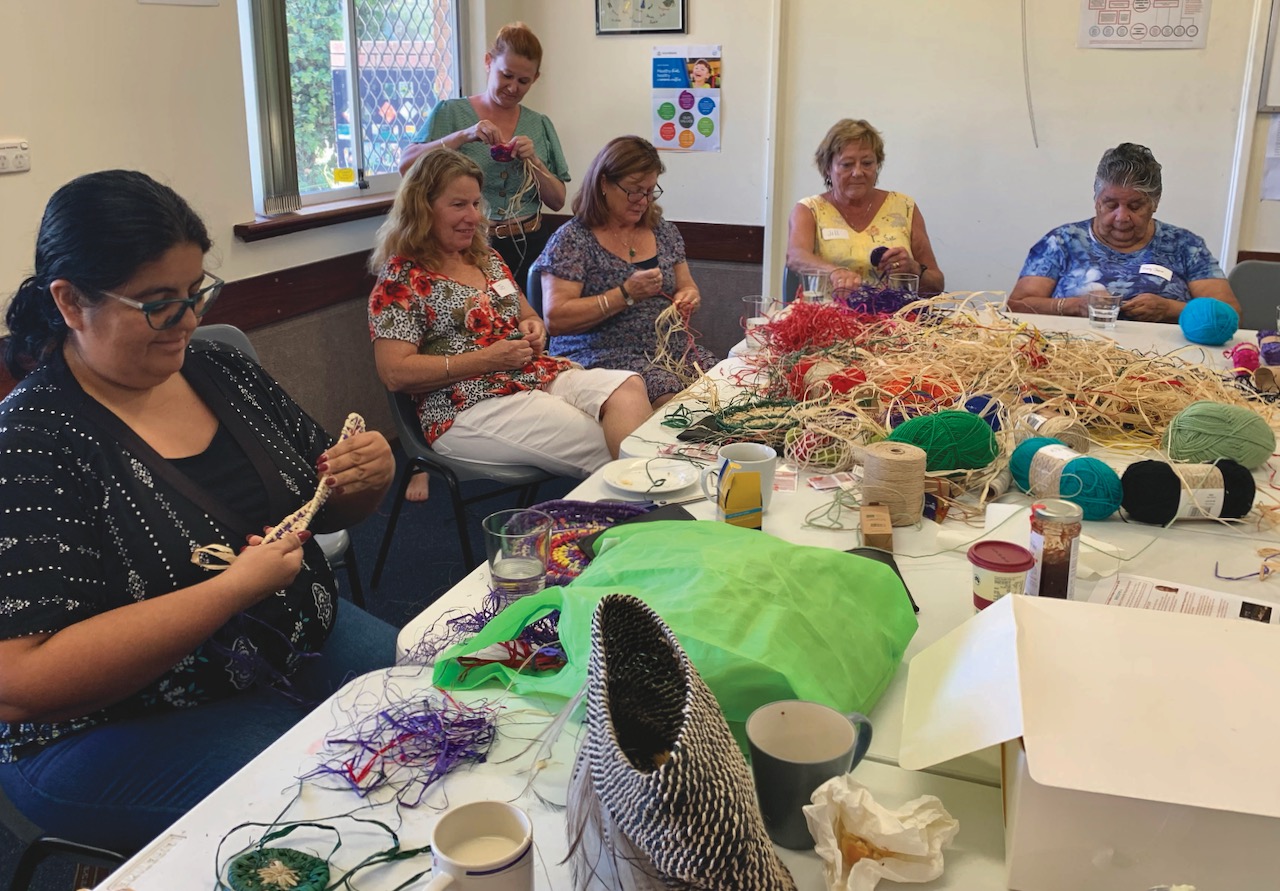
Having worked in the Mirrabooka community for several years, Kylie Graham and Esther Kickett became aware of the gap in education of many newly arrived migrants about Noongar culture and people. To address that gap they created Weaving Culture, a program where women from migrant, refugee and culturally and linguistically diverse backgrounds come and learn about Noongar culture from Noongar yorga (women) through weaving and yarning.

The opinions and beliefs of many new arrivals have been influenced by the media and white educational systems – leading to the impression of negative stereotypes and general uneasiness about Aboriginal people. Weaving Culture was founded and run by Noongar women, in a way that is culturally appropriate for all involved. It is hoped the program will educate participants and enlighten them about Aboriginal communities, culture, and connections.

It has also been a great way of finding commonalities between the cultures as the women talk animatedly while weaving, each learning from each other.

Weaving Culture is also reflective of the ongoing commitment of the Edmund Rice Centre as they work with people from refugee and migrant backgrounds as well as Aboriginal and Torres Strait Islander people.

There are many ways across Australia to celebrate NAIDOC Week and recognise the history, culture, and achievements of Aboriginal and Torres Strait Islander peoples.  The theme this year is Always Was, Always Will Be, which recognises that First Nations people have occupied and cared for this continent for over 65,000 years.  Programs like Weaving Culture build understanding and trust in these principles.  

Future decision makers

One of the enjoyable aspects about being a writer is that I sometimes have the opportunity to visit schools and talk to students. More to the Story – conversations with refugees has been out in the market for over three years now but it is still being used in a number of high schools around Australia for English, social sciences and several other subjects. The response from students and teachers continues to be heartening.

Recently I visited Churchlands Senior High School in Perth and was so impressed with how the teaching staff were approaching the topic.  Apart from reading chapters of my book (which was lovely to see), some had examined speeches by Julian Burnside QC, others had examined different writers on refugee issues, or the work of a refugee rapper from South Sudan. Students spent time looking at different media reports to understand the power of language and how it is used to empower and disempower.

The overwhelming message from students about how Australia treats asylum seekers is one of astonishment and outrage.  As one young student said to me: ‘I just can’t understand why we treat people like this – it is a fundamental human right to be able to seek asylum.  How does this happen?’

The students wanted to know about Operation Sovereign Borders and what I thought would be a reasonable intake of refugees each year.  I explained the average of 13,000 people wasn’t enough for a large, rich country like Australia and, for me, 100,000 – a similar number to Canada – would be more appropriate.  I also reminded students that they didn’t have to agree with me, and they could build their own positions supported by facts.  The students are examining all the positions that people take on refugees and asylum seekers in Australia and will be working on their own persuasive essays in the coming weeks.

Perhaps the most interesting question was whether I thought attitudes were better now compared to when I returned to Australia ten years ago.  Sadly, I don’t think they are.   Australia remains a contradiction to me.  It is a great multicultural country where people from all over the world live and work happily, but there are pockets that can sometimes become loud and spiteful. I think our obsession with refugees who come by boat and how we treat asylum seekers has hardened over the years.

In fact, I think Australia’s position is dehumanising and mean and violates Australia’s obligations under international law.

That said, one class asked me if I was optimistic about future changes to the legislation and attitudes.  I am, because the decision makers will be young people like my classes.  They are respectful and welcoming to many different nationalities and backgrounds in their classroom. The future is theirs to shape.

Book cover

A man of vision

Twenty-one years ago, a man saw a great need for more education-based services for people from refugee and migrant backgrounds and Aboriginal and Torres Strait Islander people. He could see how to make people more welcome, and with decades of teaching experience, he knew how to help people bridge the gap from being “a new arrival” in Australia to becoming a contributing member of society.

I write of Steve Bowman, the retiring director of the Edmund Rice Centre, in Western Australia. I am privileged to serve on the board of this “grass roots”, community, not for profit organisation that continues to make a difference in thousands of lives.

I first became aware of Edmund Rice when I was writing More to the story – conversations with refugees.   As I was starting to research and learn more about the community service groups that helped refugees, so many people said to me: “you must go and talk to Steve at Edmund Rice; they do great work.”  They were right. I walked in the door to do an interview and have stayed involved ever since.

You can find more information about the Centre and the valuable services it provides at www.ercwa.org.au.  For this post however, I want to focus on Steve and the power of his vision.

A former Christian Brother, Steve worked throughout Western Australia including significant time in the Pilbara and Kimberley where he found joy in teaching people from a different culture to his own.  He also spent time travelling, studying and volunteering with different organisations in Sydney, Ireland and the United States.  He describes this time as one of spiritual richness and reflection.

On his return to Perth with a determination that has become his trademark, and with the support of the Christian Brothers, he opened the doors to a building in Perth’s northern suburbs that would become the Edmund Rice Centre WA.

Steve was inspired by the life and vision of Edmund Rice, the Irish businessman who more than 200 years ago responded to the needs on his doorstep by dedicating his life and resources to the liberation of the poor through education.  Along with volunteer teachers and helpers Betty and Alan O’Neil, Pat Chinnery, Sue Catling, Mary Britton, Matt Lobo and Brothers Geoff Seaman, Peter Thrupp and Phil O’Loghlen, they taught English, computer, skills and art and craft classes to newly arrived refugees.

In the process, they created what Steve called “common ground” where people of all faiths, cultures and backgrounds could come together and learn. Clients over the years have described the Centre as “their family” and “a place where they belong.”

From three classes a week with 24 people 21 years ago, the Edmund Rice Centre now welcomes over 75 people a day to over 1,000 classes of English per year.  Hundreds more take part in other community classes and thousands of young people participate in sport, arts and youth leadership programs.

Steve became a leader in the sector and the wider community, as he built an organisation with an unprecedented reputation for providing quality service to some of the most marginalised people in the community.

At his recent farewell morning tea, one of the many people who asked to speak said  “One of the many things I learnt from Steve has been the need to be present, the need to listen and the need to be compassionate.”

Steve Bowman inspires me and reminds me often that if everyone took just a little time to contribute to their communities in some way, we would make the world a better place.

steve and I (1)