Trump is coming for UNICEF

For decades, UNICEF has been a symbol of international cooperation. Now, it’s the target of an unprecedented effort by the U.S. government to undermine it. 

UNICEF grew out of post-war efforts to feed and shelter hundreds of thousands of children whose lives were upended by the Second World War. It soon evolved into a global organisation dedicated to improving the health and welfare of children across the world.

By mid-century, founding leader Maurice Pate and UNICEF were able to channel international solidarity to improve the lives of the world’s most vulnerable children. For example, Pate devised a partnership with Mexico to drive down malaria, which was killing 20,000 Mexican children annually. Within four years, malaria was all but eradicated in the country, putting Mexico’s malaria levels on par with the United States.

But now, the Trump administration is taking direct aim at UNICEF, positioning one of the world’s most trusted child welfare organisations as its latest target. 

This attack has potentially devastating consequences for millions of children worldwide. 

Last week, UNICEF (along with a few other United Nations agencies) received a bizarre questionnaire from the United States that demanded “yes” or “no” answers to some 23 questions. These questions are absurd, and clearly crafted in such a way as to force answers that would justify an American withdrawal from UNICEF as its longtime financial and political backer.

For example, one question asks the agency to affirm that it “does not work with entities associated with communist, socialist, or totalitarian parties, or any party that espouses anti-American beliefs.”

Of course UNICEF does — because it’s an agency of the United Nations! To be sure, the vast majority of UN member states don’t fall into any of these categories. But the UN is a member-based institution composed of 193 countries. Some of these countries are run by communist parties, like China and Cuba. Several can credibly be called totalitarian, like North Korea and Eritrea. Some are run by avowedly socialist parties, like certain countries in Northern Europe, and a few are expressly anti-American, like Iran. 

The UN is not a club of like-minded governments — that’s what groups like NATO or the Organisation of Islamic Cooperation are for. Rather, the whole point of the UN is to serve as the one entity that can bring every country together to find opportunities for cooperation, transcending wide differences. 

Every day UNICEF provides a platform where countries can find ways to support the world’s most vulnerable children, despite their vast political and cultural divides.

Worrying times ahead.
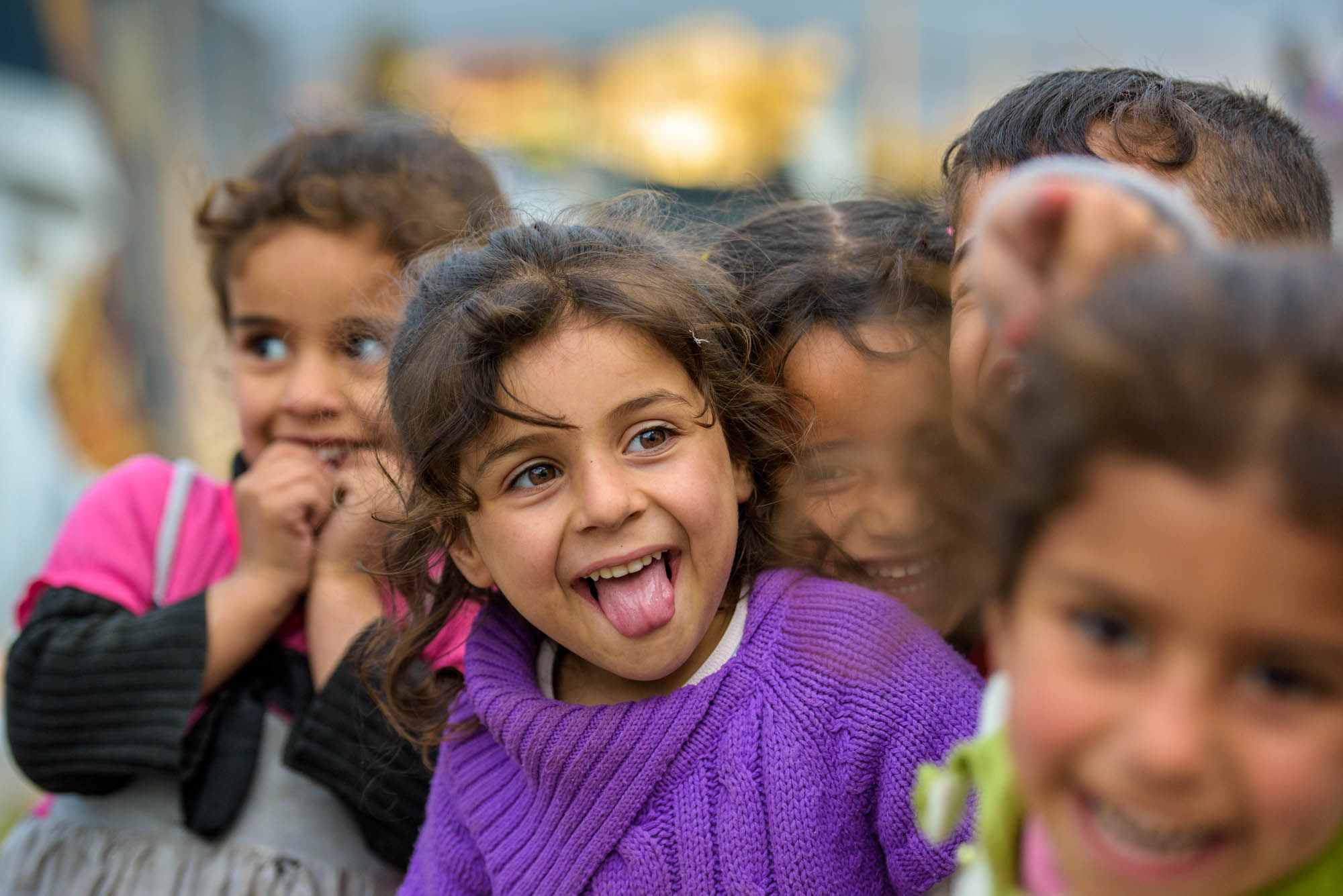
yrian refugee girl, Rahaff, 5, wearing purple sweater, is happy to be in a safe place. In an informal tented settlement in Bakaa, Lebanon.
©2016 World Vision/photo by Jon Warren

International Women’s Day

Imagine a gender equal world. 

A world free of bias, stereotypes and discrimination. A world that’s diverse, equitable and inclusive. A world where difference is valued and celebrated. 

I believe that together we can forge gender equality. This week the gender pay gap results for Australia were published, showing that on this International Women’s Day, there is still much to do.

For every $1 on average a man makes, women earn 78c. Over the course of a year, that difference adds up to $28,425.  

How is this still happening?

There is also much to do because of the political situation in the world. As anything to do with diversity, inclusion and gender is eradicated in the US under Trump, here at home Peter Dutton the leader of the opposition chose to launch a Trumpian plan to crack down on Work From Home for public servants.
 
Despite all evidence suggesting otherwise, Dutton claimed it won’t “discriminate on the basis of gender”, and even had the audacity to suggest women can simply take up job sharing arrangements if returning to the office doesn’t suit them. 
 
Make no mistake, the plan is a direct attack on women’s workforce participation and shows a complete misunderstanding of how modern families manage their lives.

This International Women’s Day we are being asked to #AccelerateAction. That means we need to keep taking action by calling out gender bias and discrimination

I also suggest that women take a moment to reflect on their own achievements. Remember what we have accomplished, despite the odds we have faced… and are still facing. For me that means celebrating having worked successfully as a journalist for many years and leading major companies in Australia and Asia in corporate affairs and investor relations. I have also written three books and finished my PhD later in life. Alongside these achievements, I am very proud to have given back to the community through my work on not-for-profit boards and by helping refugees and asylum seekers. I hope I inspired a few people along the way.

Many women (and men) inspired me through my life. This is especially true for Anne Forrest with whom I worked for over ten years in Asia.  Anne didn’t just break the glass ceiling she smashed it, showing me and other women that it was all about the best person for the job, not about gender. You can read about her here

This International Women’s Day I urge you to reach out to those women who have inspired you. We don’t say “thanks – you made a difference in my life” often enough.